

Federal Reserve
Jerome Powell: Profile, Career, and Impact on U.S. Federal Reserve Policy

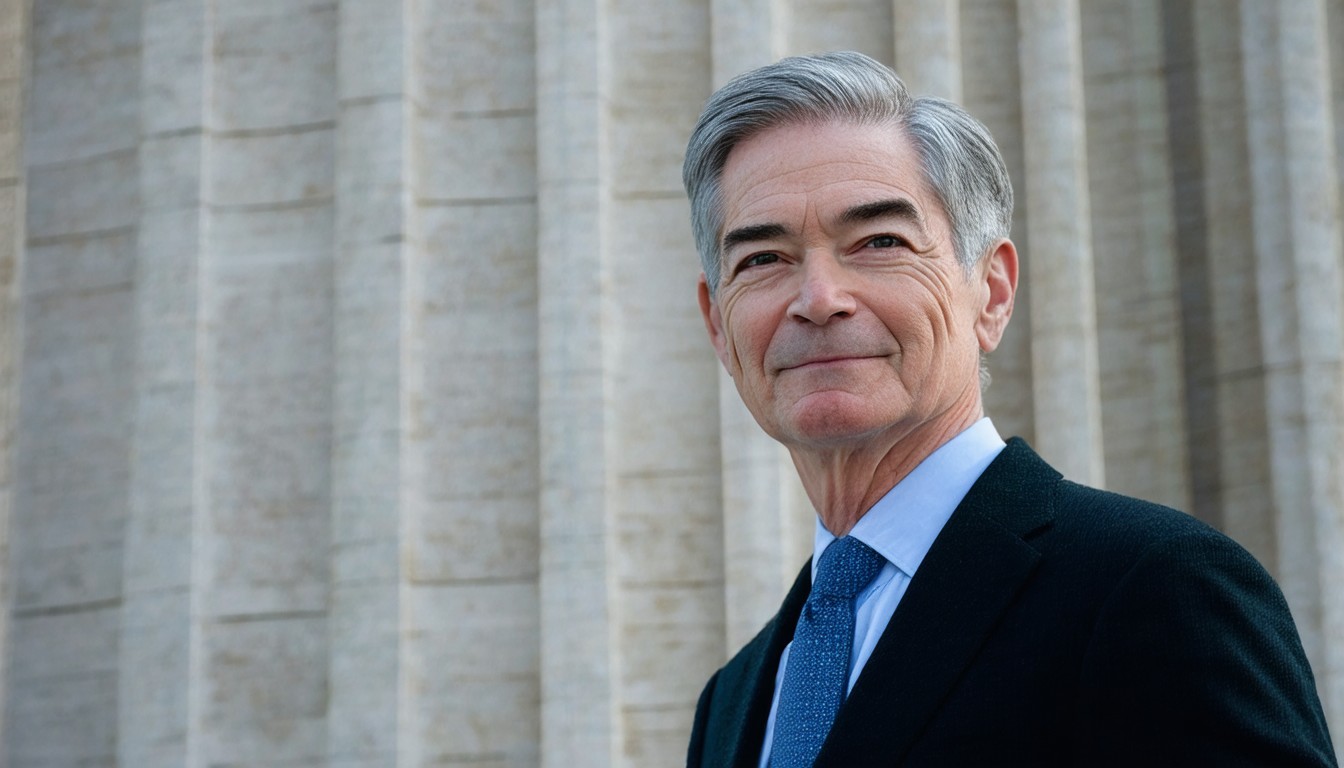
Jerome Powell is among the most influential individuals shaping the trajectory of the global economy today. As Chair of the U.S. Federal Reserve, Powell presides over decisions that impact everything from inflation rates and employment figures to global financial stability. His tenure has been marked by extraordinary circumstances—economic shocks, a pandemic, and shifting political currents—all of which have demanded nuanced, data-driven policymaking. Understanding Powell’s background, leadership style, and impact on Federal Reserve policy offers insight into the economic dynamics affecting millions worldwide.
Career Overview: From Private Sector to Federal Reserve Leader
Jerome H. Powell’s path to the apex of American central banking is defined by a blend of private sector experience and public service. Born in 1953 and educated at Princeton and Georgetown Law, Powell built a strong career in investment banking, notably at Dillon, Read & Co., and later at the Carlyle Group, where his pragmatic approach to finance developed.
From Treasury Official to Central Banker
During the George H.W. Bush administration, Powell served as Undersecretary of the Treasury for Domestic Finance. In this capacity, he dealt with government financing and policy on banking regulations, helping to shape early post-Savings and Loan Crisis reforms. This early exposure to high-stakes financial policy primed Powell for a future in central banking.
Appointment to the Federal Reserve Board
Appointed by President Obama in 2012 as a Federal Reserve Governor and later elevated by President Trump to Chair in 2018, Powell became the first non-economist Fed Chair in decades. Nevertheless, his legal and banking background proved crucial in navigating complex regulatory and monetary issues, allowing him to communicate effectively with both policymakers and financial professionals.
Policy Approach: Balancing Markets and Mandates
Jerome Powell’s tenure as Federal Reserve Chair has tested the institution’s dual mandate: maximum sustainable employment and stable prices. His approach emphasizes pragmatic flexibility, risk awareness, and transparency.
Navigating Economic Uncertainty
Powell’s leadership faced its defining challenge during the COVID-19 pandemic. The Fed responded swiftly, slashing interest rates to near zero and launching massive asset-purchase programs. These measures were aimed at cushioning an economy facing historic contraction and mass unemployment. As a result, the U.S. witnessed a remarkably rapid financial market recovery, though some critics argue this contributed to later inflationary pressures.
“We are strongly committed to returning inflation to our 2 percent objective and keeping longer-term inflation expectations well anchored.”
— Jerome Powell, Jackson Hole Economic Symposium, 2022
Communication and Market Signals
Unlike some of his predecessors, Powell’s approach prioritizes clear, accessible public communication. Regular press conferences, speeches, and Congressional testimony have increased transparency around the Federal Reserve’s choices and outlook. This outreach is seen as vital in managing market expectations—and limiting market volatility in turbulent times.
Addressing Inflation and Labor Market Shifts
In 2021 and 2022, amid post-pandemic supply chain shocks and robust consumer demand, inflation surged to levels not seen in decades. Powell led the Fed in a pivot from ultra-accommodative policy to aggressive interest rate hikes. This swift adjustment recalibrated financial markets and tested borrowing costs for businesses and consumers.
The labor market has presented another challenge. Unemployment rates fell to near historic lows, while labor force participation and wage growth reflected complex pandemic aftershocks. Powell has guided the Fed toward data-driven adjustments, supporting job growth while curbing excesses that could embed inflation.
Impact on U.S. and Global Financial Policy
Powell’s influence radiates far beyond Washington, shaping global market sentiment and monetary policy trends.
Global Ripple Effects
As the U.S. dollar remains the world’s primary reserve currency, the Fed’s policy moves often trigger ripple effects in global credit markets. When Powell’s Fed tightened rates, emerging markets experienced capital outflows and currency depreciation, pressuring their central banks to adapt accordingly.
Regulatory and Systemic Risk Oversight
Beyond monetary policy, Powell’s chairmanship has seen a focus on bank regulation and financial stability. In response to the collapse of certain U.S. regional banks and the volatility of digital assets, Powell has called for updated regulatory frameworks. Stress testing, liquidity requirements, and cybersecurity have all received increased Fed attention during his tenure.
Real-World Example: Navigating a Volatile Era
During the market turmoil in March 2020, the Fed’s decisive interventions stabilized both stock and credit markets. Initiatives like the Paycheck Protection Program Liquidity Facility and direct lending to municipalities represented bold, unconventional moves. These actions underscored the evolving role of the Federal Reserve under Powell to backstop not just banks, but the broader economy during extraordinary crises.
Criticisms and Support: A Balancing Act
Powell’s policies—especially in times of crisis—have attracted both praise and criticism.
- Supporters highlight his pragmatism, calm under pressure, and ability to communicate complex policy. Many credit him with subdued unemployment rates and softer economic landings.
- Critics argue that prolonged low interest rates and asset purchases stoked inequality and speculative bubbles, while others contend the Fed was slow to recognize persistent inflation.
Still, Powell’s willingness to admit errors and adjust course has become a hallmark of his stewardship.
Conclusion: Jerome Powell’s Enduring Legacy
Jerome Powell’s stewardship of the Federal Reserve has been characterized by pragmatism, transparency, and rapid adaptation to unprecedented challenges. His blend of private sector and regulatory experience, combined with a clear communication strategy, has made him a stabilizing figure during turbulent times. Looking ahead, Powell’s ability to steer monetary policy amid persistent inflation and global uncertainties will continue to shape both U.S. and world economic fortunes.
FAQs
What is Jerome Powell’s educational background?
Jerome Powell holds a bachelor’s degree from Princeton University and a law degree from Georgetown University, blending analytical and legal expertise useful for central banking.
How has Jerome Powell influenced inflation policy?
Powell led the Federal Reserve in quickly raising interest rates to combat post-pandemic inflation, emphasizing data-driven decision-making and flexible responses to changing conditions.
Why is Powell considered a significant figure globally?
As Chair of the Federal Reserve, Powell’s policy decisions impact global markets, influencing international borrowing costs and exchange rates due to the central role of the U.S. dollar.
Was Powell always a central banker?
No—he worked extensively in investment banking and served in the U.S. Treasury before his appointment to the Federal Reserve’s Board of Governors in 2012.
How does Powell communicate Federal Reserve policy?
Powell has prioritized clear public outreach through press conferences, speeches, and regular testimony, aiming to reduce market uncertainty and improve transparency.


