
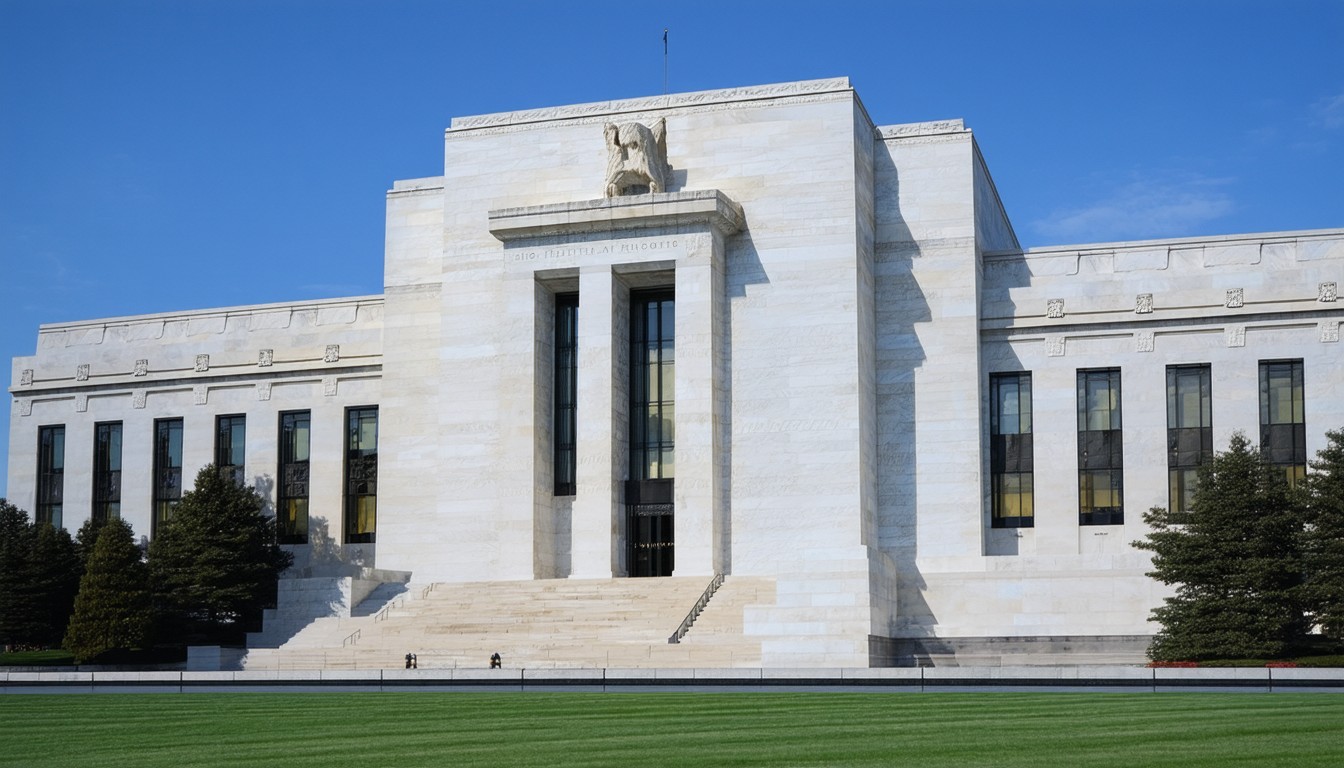
The Federal Reserve, often simply called “the Fed”, stands as the cornerstone of the United States’ financial system. As the nation’s central bank, its decisions ripple through every layer of the U.S. economy, from the largest multinational corporation to the local small business and individual consumer. Established over a century ago following a series of banking crises, the Federal Reserve’s overarching mission is to foster monetary stability and promote a healthy economy. Yet, understanding exactly how the Fed operates, the tools it wields, and the impact it has on daily economic life remains a complex, evolving story.
The Structure and Governance of the Federal Reserve
At its core, the Federal Reserve is uniquely structured as a blend of public and private elements, designed to balance independence with accountability. The Fed consists of three main parts:
- The Board of Governors: Based in Washington, D.C., these seven presidentially-appointed members set overarching policy and regulatory direction.
- Twelve Regional Reserve Banks: Scattered across major U.S. cities, they serve as the operational arms of the Fed, undertaking research, supervising banks, and providing payment services.
- The Federal Open Market Committee (FOMC): As the Fed’s primary monetary policymaking body, the FOMC comprises the Board of Governors and five regional bank presidents, rotating on a set schedule.
This structure ensures that diverse perspectives—from Wall Street to Main Street—inform policy decisions. The Federal Reserve’s independence from short-term political pressure, while crucial for stable monetary policy, is balanced by congressional oversight and a public reporting mandate.
Key Functions of the Federal Reserve
Conducting Monetary Policy
Perhaps the most visible of its functions, the Federal Reserve controls the levers of U.S. monetary policy. The core goals are enshrined in its “dual mandate”: maximizing employment and stabilizing prices.
- Setting Interest Rates: The Fed sets the target for the federal funds rate, influencing the rates banks charge each other overnight. Adjustments to this rate can cool or energize the broader economy.
- Open Market Operations: By buying or selling government securities, the Fed adds or withdraws money from the banking system—regulating liquidity and credit conditions.
- Quantitative Easing: In extraordinary circumstances, such as during the 2008 financial crisis or the COVID-19 pandemic, the Fed has purchased large quantities of financial assets to inject liquidity and boost market confidence.
Supervising and Regulating Banks
Beyond monetary policy, the Federal Reserve supervises major commercial banks and systemic financial institutions, ensuring they adhere to sound practices and maintain adequate capital.
- Stress Testing: Following the lessons of the 2008 crisis, the Fed now conducts regular stress tests on large banks to ensure their resilience under adverse economic scenarios.
- Regulatory Frameworks: The Fed issues and enforces regulations covering lending standards, risk exposures, and consumer protection.
Ensuring Financial System Stability
The Fed plays a critical role in crisis management. It serves as a “lender of last resort”, supplying liquidity to banks facing short-term funding shortages, which helps avoid bank runs and systemic collapses. During acute periods such as the Global Financial Crisis, these emergency interventions have been pivotal in maintaining public faith in the banking system.
Facilitating Payments and Financial Services
As part of the nation’s financial infrastructure, the Federal Reserve operates payment systems such as Fedwire and ACH (Automated Clearing House), which enable trillions of dollars in transactions to flow seamlessly across the economy. The development of FedNow, a real-time payments platform, demonstrates the Fed’s ongoing evolution to meet modern financial demands.
The Impact of the Federal Reserve on the U.S. Economy
Influencing Inflation and Economic Growth
The Fed’s primary tools directly shape inflation, employment, and overall economic output. For example, low interest rates typically make borrowing easier, spurring spending by both businesses and households. Conversely, raising rates can help tame inflation but may also slow hiring and investment.
In recent years, the Federal Reserve has faced the delicate challenge of managing rapid post-pandemic inflation alongside a robust labor market. Data releases, FOMC meeting minutes, and press briefings are scrutinized by policymakers, investors, and global markets alike, underscoring the wide-ranging influence of the Fed’s guidance.
“The Federal Reserve’s policies are not just technical adjustments—they’re signals that affect public and market expectations, influencing real economic outcomes far beyond boardrooms.”
— Dr. Lisa Cook, Federal Reserve Board of Governors member
Responding to Crises
The Fed’s economic impact intensifies during crises. During the 2008 financial meltdown, swift action—including slashing rates, innovative lending programs, and asset purchases—helped prevent a deeper depression. More recently, in 2020, as the COVID-19 pandemic roiled global markets, the Fed enacted emergency measures to stabilize credit, support businesses, and encourage recovery.
Shaping Global Markets
Given the centrality of the dollar and the scale of U.S. financial markets, the Federal Reserve’s decisions create ripple effects globally. Emerging market economies, multinational corporations, and foreign governments monitor the Fed’s moves, adjusting their own economic strategies accordingly. The dollar’s strength or weakness—shaped by Fed policy—affects trade balances, commodity prices, and international capital flows.
Real-World Scenarios: The Fed in Action
The Federal Reserve and the Housing Market
Changes in the federal funds rate quickly influence mortgage rates. For example, as the central bank raised rates from 2022 onward to combat inflation, average 30-year fixed mortgage rates in the U.S. surged, cooling the previously overheated housing market. This illustrates the chain reaction—from Fed decision to lender costs, consumer borrowing, and ultimately housing affordability.
Small Businesses and Consumer Lending
Lower interest rates, especially during economic slowdowns, reduce the cost of financing for small businesses and consumers. This was evident during the pandemic when the Fed’s rapid rate cuts helped millions of entrepreneurs and homeowners access affordable credit despite broader uncertainty.
Balancing Independence and Accountability
The debate over how independent the Federal Reserve should be remains perennial. While insulation from political cycles helps anchor stable, long-term economic policy, transparency is vital for public trust. Measures such as regular congressional testimony, detailed policy communication, and open access to data help keep the Fed answerable to American citizens.
Conclusion: The Federal Reserve’s Pivotal Role
The Federal Reserve is more than a background institution; it is a central actor in shaping the nation’s economic destiny. From steering inflation and employment to safeguarding financial stability and ensuring payments infrastructure, the Fed remains indispensable. As challenges evolve—from digital currencies to climate risks—the flexibility, credibility, and accountability of the Federal Reserve will continue to be critical to U.S. and global financial health.
FAQs
What is the main purpose of the Federal Reserve?
The Federal Reserve’s primary goals are to promote maximum employment, ensure stable prices, and support the stability of the financial system in the United States.
How does the Fed influence interest rates?
The Fed sets the target for the federal funds rate, which influences the cost of borrowing across the economy, including rates on mortgages, credit cards, and business loans.
Why is the Federal Reserve considered independent?
Although it operates under a congressional mandate, the Fed’s decisions are made by appointed officials who are insulated from direct political pressure, ensuring long-term stability in economic policy.
How does the Federal Reserve respond to economic crises?
During financial emergencies, the Fed can act quickly by lowering interest rates, providing emergency lending, and purchasing assets to stabilize markets and support economic recovery.
What are some criticisms of the Federal Reserve?
Critics sometimes argue that the Fed can be either too slow to act, overly focused on financial markets, or lacking transparency, while others debate the limits of its economic influence.
How does Fed policy affect ordinary Americans?
Changes in Fed policy directly impact consumer loan rates, mortgages, employment prospects, and even the prices of everyday goods and services through their influence on inflation.