Fed
FED Interest Rate Policy and Market Impact Explained

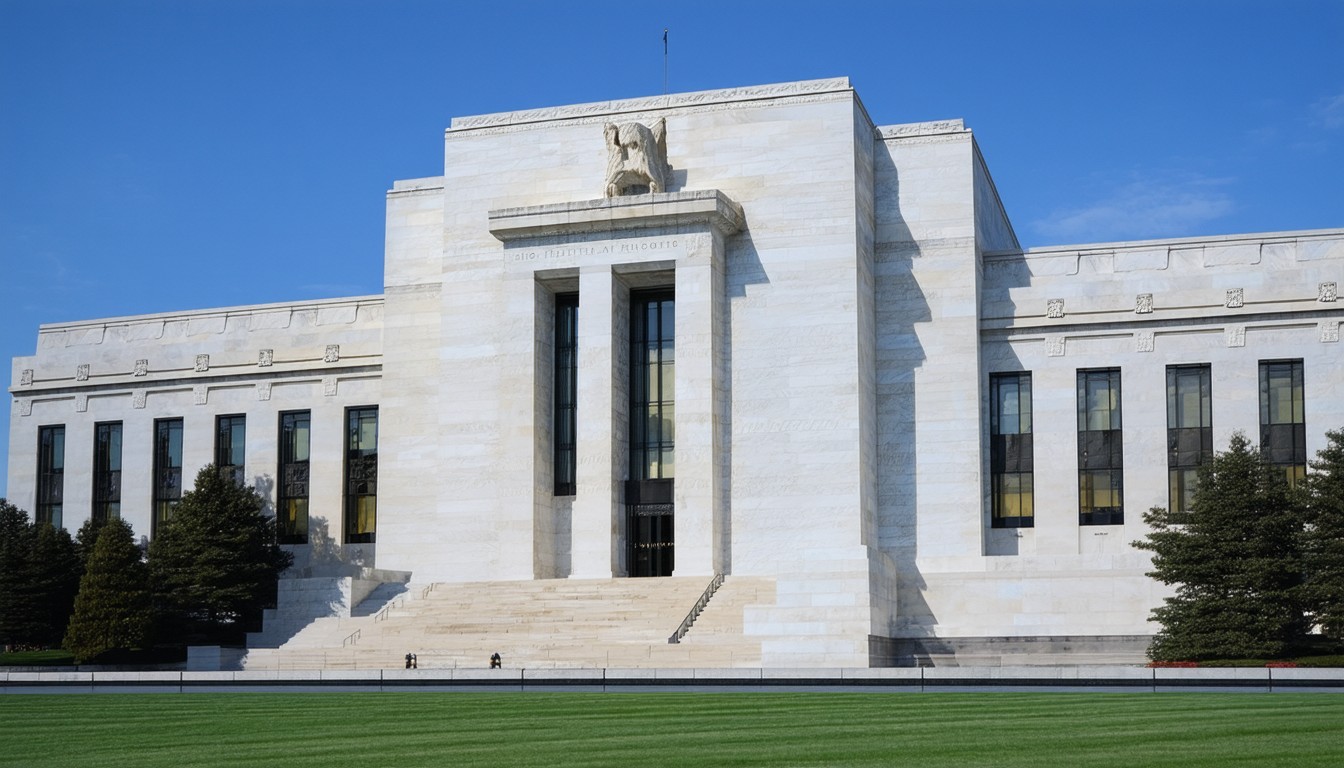
Few institutions shape the world’s economic destiny quite like the U.S. Federal Reserve — commonly known as the FED. Created in 1913 to provide the United States with a safer, more flexible monetary system, today the FED stands as the planet’s most influential central bank. Its primary tools have evolved, but none is watched more closely than its interest rate policy. From Wall Street to Main Street, FED rate decisions send ripples through global markets, impacting everything from consumer loans to multinational investment strategies.
The Mechanics of FED Interest Rate Setting
At the heart of FED policy is the federal funds rate — the benchmark overnight lending rate at which banks lend reserves to each other. This rate is not just a technicality; it exerts a profound influence on borrowing costs across the economy, anchoring rates for mortgages, auto loans, credit cards, and more.
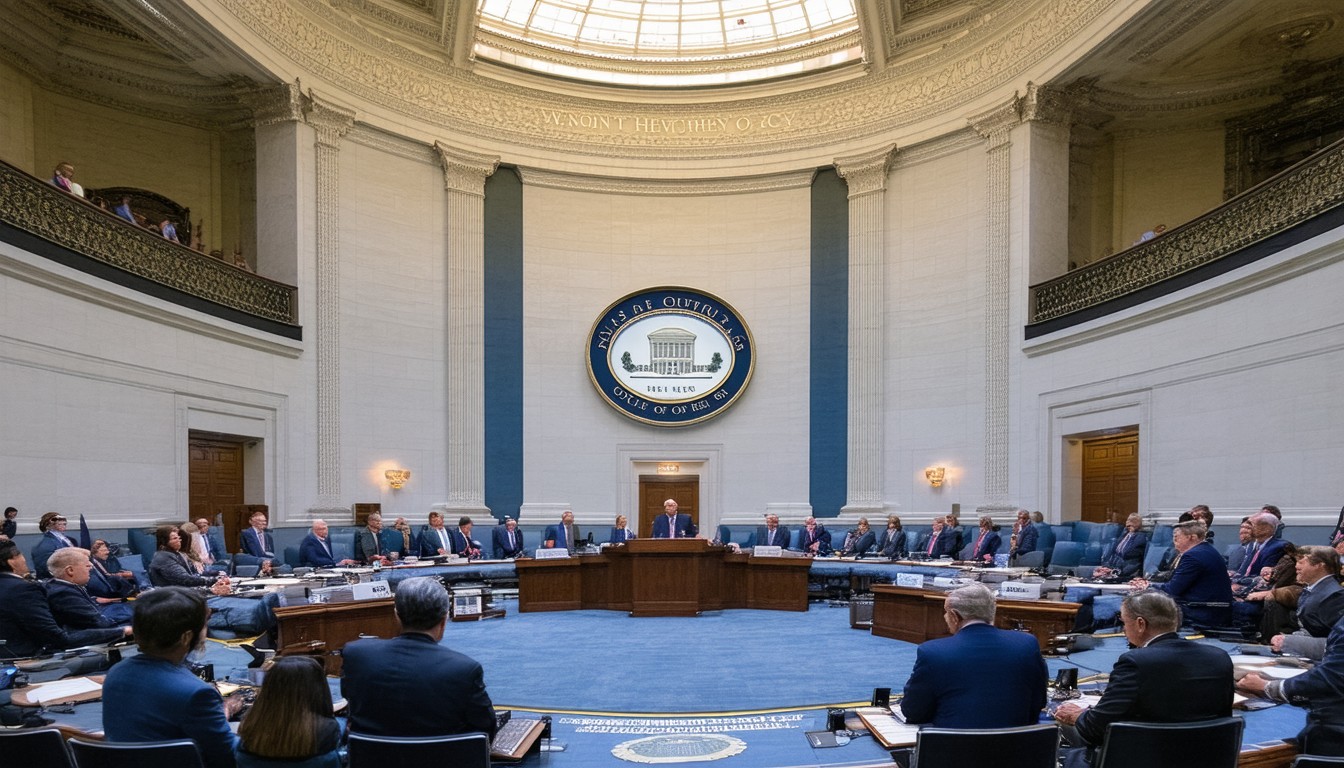
Every few weeks, the Federal Open Market Committee (FOMC), comprised of FED governors and regional bank presidents, meets to assess economic conditions and decide whether to raise, lower, or hold rates steady. Their decision reflects a nuanced balancing act: nurturing economic growth while guarding against runaway inflation or recession.
When the FED cuts rates, it aims to lower borrowing costs, spur consumer and business spending, and ultimately stimulate a sluggish economy. Conversely, raising rates is a tool used to cool down overheating growth and control inflation. During crises, such as the 2008 financial meltdown or the COVID-19 pandemic, the FED has slashed rates to near-zero levels — providing liquidity and reassurance when confidence falters.
The Market’s Reaction: Stocks, Bonds, and Beyond
FED rate decisions are rarely met with indifference. Stock markets, bond markets, and even cryptocurrencies tend to react instantly, either rallying in relief or tumbling in turmoil. But why are markets so sensitive to FED signals?
Lower rates generally make borrowing cheaper for corporations and consumers, boosting spending, driving profits, and thus, raising share prices. However, persistently low rates can inflate asset bubbles or encourage risky investing. On the other hand, higher rates can suppress exuberance, slow corporate profits, and dampen stock prices, though they often strengthen the national currency as global investors seek higher yields.
Bond markets, more than any other asset class, move in direct response to FED policy. The prices of U.S. Treasuries — long a global safe haven — see-saw as investors reposition expectations for yields and inflation. Meanwhile, the central bank’s forward guidance (its communication on future policy) can shape risk appetite across asset classes.
“Market behavior in the aftermath of FED rate decisions isn’t just about the decision itself, but how that move aligns with broader expectations. Even an unchanged rate can spark volatility if the market was bracing for a hike or cut,” notes Dr. Linda Clarke, Senior Economist at the Global Market Institute.
Interest Rate Policy and the Real Economy
Beyond finance, the FED’s rate policy reaches into everyday economic life. When rates rise, monthly payments on mortgages or car loans often climb, slowing housing or auto sales. Businesses may delay investment, hiring, or expansion. Conversely, cuts can jumpstart housing markets, encourage business borrowing, and increase consumer purchases of big-ticket items.
Inflation-fighting, however, is often the main walk on the tightrope. If prices climb too fast, hurting consumers and eroding purchasing power, the FED must signal its willingness to act — even if that risks slowing job growth or upsetting markets in the short term. Notably, the central bank’s preferred inflation gauge — the Personal Consumption Expenditures (PCE) price index — is calibrated to reflect actual changes in consumer living costs.
Case Study: The Pandemic Era FED
An illustrative example came during the COVID-19 crisis. As economic activity vaporized, the FED slashed rates to historic lows and launched large-scale asset purchases. This unprecedented intervention stabilized credit markets and encouraged borrowing—helping to avoid a prolonged depression.
Yet, as the economy recovered, the surge in demand and lingering supply chain disruptions ignited inflation not seen in decades. The FED responded by pivoting sharply: raising rates in a series of incremental steps, signaling a commitment to restoring price stability even as growth headlines softened.
Global Repercussions: The FED’s Domino Effect on World Markets
Because of the dollar’s central role in international trade and reserve holdings, the U.S. central bank’s policies travel far beyond American shores. When the FED raises rates, capital tends to flow into U.S. assets, often leading to a stronger dollar and outflows from emerging markets. This shift can prompt higher borrowing costs elsewhere, currency devaluations, and volatility in stock markets across the globe.
Central banks in Europe, Asia, and Latin America often adapt in response to FED moves, seeking to protect their own economies from imported inflation or capital flight. For instance, when the FED initiated its rapid tightening cycle in the early 2020s, several countries followed suit — some reluctantly, fearing the economic impact but unable to resist global financial currents.
Transparency, Forward Guidance, and Market Psychology
Modern FED policy is as much about managing expectations as it is about technical adjustments to rates. Over recent decades, greater transparency and routine communication have become hallmarks of central banking. Markets now pore over every word in post-meeting statements, press conferences, and even informal remarks by FED officials, searching for clues about future policy direction.
This “forward guidance” is a critical tool, especially in volatile or uncertain times. By clearly signaling intent, the FED helps anchor market expectations, reducing the risk of sudden, disruptive swings in asset prices.
The Limits and Challenges Ahead
Yet, no policy instrument is perfect. The U.S. economy is vast and complex, with factors from global energy prices to technological innovation influencing outcomes far beyond any central banker’s reach. The transmission of rate changes — from Wall Street to businesses to consumers — faces built-in lags and uncertainties.
Moreover, FED actions are always made against the backdrop of imperfect information, unpredictable geopolitical events, and evolving economic theories. Striking the right balance between supporting growth and curbing inflation remains both an art and a science.
Conclusion: Reading the FED’s Influence
The U.S. Federal Reserve’s interest rate policy sits at the crux of financial stability and economic growth—not just for America but for the world. Markets react in real time, recalibrating trillions of dollars at each sign of FED intent. Whether steering the economy out of crisis or reining in inflationary pressures, the FED’s decisions underscore the daunting, dynamic challenge of modern central banking.
Savvy investors, companies, and policymakers must tune in not just to what the FED does, but why and how it communicates its strategies. In a world buffeted by uncertainty, the FED’s steady hands and transparent guidance help to set the rhythm of global finance—one rate decision at a time.
FAQs
What is the main goal of the FED’s interest rate policy?
The FED aims to maintain stable prices, maximum sustainable employment, and moderate long-term interest rates. Its rate decisions are designed to balance growth with the need to control inflation.
How do FED rate hikes affect ordinary consumers?
When the FED raises rates, borrowing generally becomes more expensive, leading to higher monthly payments on mortgages, credit cards, and loans, which can reduce consumer spending.
Why do global markets react to U.S. FED decisions?
Global capital flows are heavily influenced by U.S. interest rates due to the dollar’s reserve currency status and the size of American financial markets. Changes in FED policy often lead investors worldwide to reallocate portfolios.
Can the FED control inflation entirely through rate changes?
While the FED uses rate hikes to combat inflation, other factors like supply chain disruptions or global commodity prices also play a role. Interest rate changes are a key tool but not a catchall solution.
What is forward guidance in FED policy?
Forward guidance refers to the FED’s communication strategy about future policy intentions. By providing clarity on its likely actions, the FED helps set market expectations and stabilize economic outlooks.
How soon do rate changes impact the real economy?
There is usually a lag of several months between a FED rate move and its full effect on economic activity, as the changes filter through banks, businesses, and consumers.