Connect with us

WTI Crude Oil Price Rises on Supply Tightness – Market Outlook

Wti

WTI Crude Oil Price Rises on Supply Tightness – Market Outlook

Introduction

WTI crude oil prices have surged sharply amid escalating geopolitical tensions and disruptions to key supply routes, notably the Strait of Hormuz. On March 2, 2026, WTI rose over 7%, while Brent crude climbed approximately 9%, as fears of prolonged supply constraints intensified. This article examines the data-driven dynamics behind this rally, evaluates the sustainability of the price spike, and outlines the near-term outlook for oil markets.

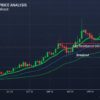
WTI Structure Shift: Why $70 is the new line in the sand as volatility compresses
byu/LMtrades inoil

1. Current Market State

WTI crude oil jumped more than 7% on March 2, 2026, reflecting heightened concerns over supply disruptions in the Middle East. Brent crude surged nearly 9%, briefly surpassing $80 per barrel. These moves mark a sharp departure from earlier forecasts that anticipated lower prices amid oversupply.

Just two weeks earlier, the U.S. Energy Information Administration (EIA) projected WTI would remain below $60 through 2027, citing rising inventories and slowing demand. The contrast between these forecasts and current price action underscores the market’s sensitivity to geopolitical shocks.

2. Supply Tightness and Geopolitical Disruption

The sudden spike in oil prices is rooted in the effective closure of the Strait of Hormuz following U.S. and Israeli strikes on Iran on February 28, 2026. Iran’s Revolutionary Guard issued warnings prohibiting vessel passage, leading to a 70% drop in tanker traffic and stranding critical volumes of oil.

This chokepoint handles roughly 20% of global oil flows, and its disruption has triggered a supply shock. OPEC+ has pledged to increase production by 206,000 barrels per day starting in April, but analysts warn that physical access to trade routes is more critical than output volumes under current conditions.

3. Forecasts and Market Sentiment

Analysts are warning that if the Strait remains blocked, oil prices could climb further—Brent could reach $100 per barrel, with some forecasts extending to $120 or even $140 in worst-case scenarios. JPMorgan projects that Brent could hit $120 if disruptions persist, citing limited storage buffers and elevated geopolitical risk.

However, these bullish scenarios stand in stark contrast to earlier supply-driven forecasts. The EIA’s February outlook projected WTI averaging $59 in 2026, with prices declining to $50 by late 2026. Similarly, a Reuters poll and Goldman Sachs forecast WTI averaging $59 and $53 respectively, citing persistent oversupply.

4. Supply Fundamentals and Inventory Dynamics

Before the crisis, the oil market was characterized by oversupply. Goldman Sachs estimated a surplus of 1.5 million barrels per day in 2025, with large volumes of sanctioned oil held offshore, limiting its market impact. TradingNEWS reported a structural glut of 1.4 billion barrels and a projected 3.8 mb/d surplus in 2026.

The EIA and S&P Global also forecast falling WTI prices—averaging $55–$56 in 2026—driven by rising production and inventory builds. U.S. inventories have been climbing, with weekly builds and record production contributing to downward pressure.

5. Technical Structure and Market Behavior

While detailed technical indicators are not available in the current news sources, the rapid price spike suggests a short squeeze and risk premium-driven rally rather than a structural breakout. The market appears reactive to geopolitical headlines, with limited confirmation from technical momentum or trend indicators.

6. Critical Analysis: Supply Shock vs. Structural Oversupply

The central thesis: The current rally in WTI is driven by acute supply shock from the Strait of Hormuz disruption, not by a structural shift in supply-demand fundamentals.

If the strait remains closed, the supply disruption could sustain elevated prices, potentially pushing WTI toward $80–$100 per barrel. However, if shipping routes reopen or alternative supply channels ramp up, the market may revert to its oversupplied baseline, with prices falling back toward the $50–$60 range forecasted by the EIA and others.

The risk lies in mispricing the duration of the disruption. Traders betting on a prolonged crisis may be caught off guard if diplomatic or logistical solutions emerge. Conversely, those fading rallies may face losses if the strait remains effectively closed for an extended period.

7. Forward Context: What to Watch

  • Strait of Hormuz status: Any signs of reopening or continued closure will be decisive. Shipping traffic data and insurance premiums will be key indicators.
  • OPEC+ production response: The pledged 206,000 bpd increase in April may offer some relief, but its effectiveness depends on transport viability.
  • U.S. SPR releases: Strategic reserve draws could help alleviate short-term tightness.
  • Inventory data: Weekly EIA inventory reports will reveal whether supply builds resume once shipping normalizes.
  • Macroeconomic impact: Higher oil prices could stoke inflation, influencing central bank policy and demand outlooks.

Disclaimer: This article is for informational purposes only and does not constitute financial or investment advice. Commodity investments carry significant risk, including the possibility of total loss. Past performance does not guarantee future results. Always conduct your own research and consult a qualified financial advisor before making investment decisions.

Continue Reading
You may also like...
Anthony Hill

Established author with demonstrable expertise and years of professional writing experience. Background includes formal journalism training and collaboration with reputable organizations. Upholds strict editorial standards and fact-based reporting.

Click to comment

Leave a Reply

Your email address will not be published. Required fields are marked *

More in

To Top