



Blockchain
Ripple CEO Discusses Company Vision and Future of Blockchain Technology

Navigating a New Era of Blockchain: Ripple’s Strategic Role
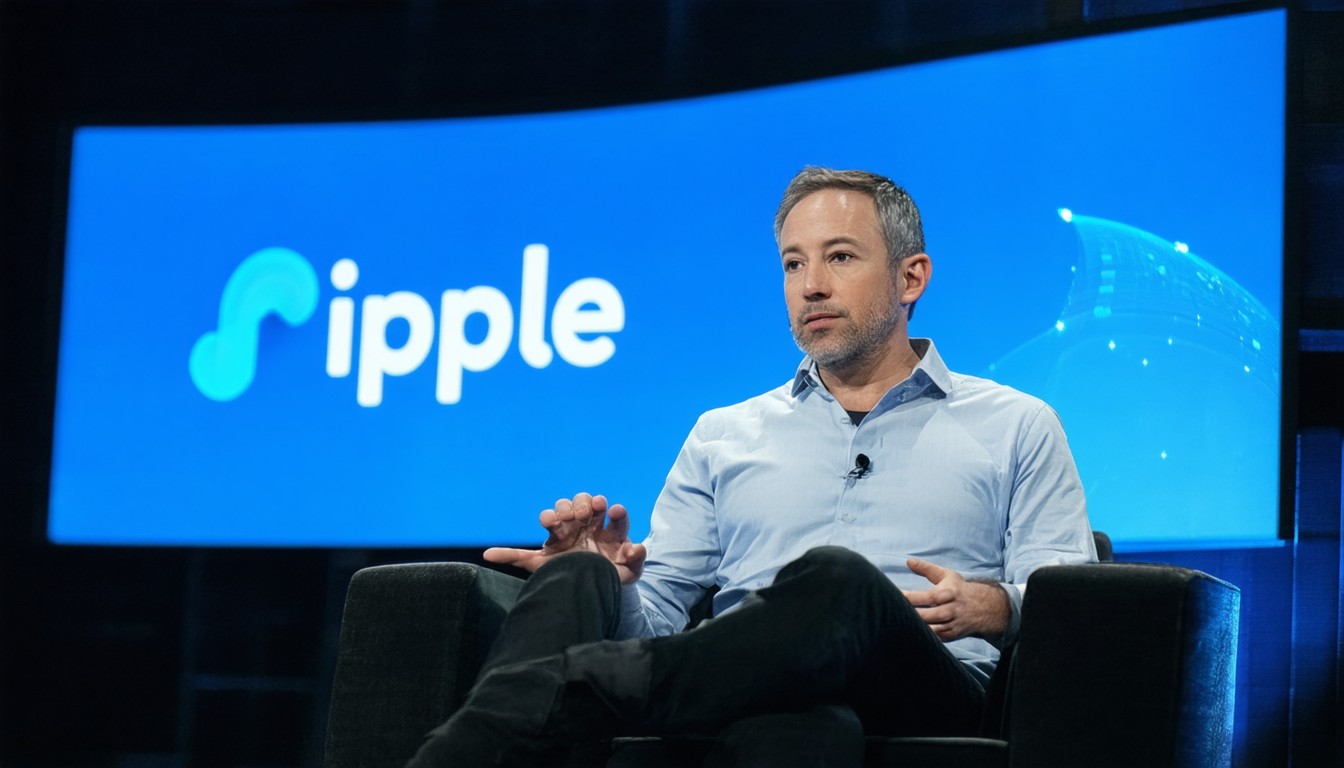
The blockchain industry sits on the edge of a transformative decade, marked by waves of institutional adoption, regulatory scrutiny, and continuous innovation. Leading these currents is Ripple, under the direction of its CEO, Brad Garlinghouse. Known for pioneering efficient cross-border payments, Ripple has become emblematic of the sector’s aspirations and challenges. The company’s journey, vision, and Garlinghouse’s leadership reflect broader trends shaping the future of blockchain and digital assets.
The Ripple Philosophy: Solving Real-World Problems with Blockchain
From its inception, Ripple has positioned itself as a solutions-focused enterprise. Operating in a space often characterized by speculation, Ripple’s core mission is concise: use blockchain technology to facilitate fast, transparent, and cost-effective global payments.
Tackling the Inefficiencies of Traditional Finance
Traditional international payments are slow, opaque, and burdened with high fees. Ripple’s flagship product, RippleNet, leverages blockchain to create a network that provides instant settlement, end-to-end transparency, and notable reductions in operational costs. The core digital asset running on RippleNet, XRP, is designed to act as a bridge currency, allowing for low-latency, cross-border transactions.
“We’re not interested in blockchain experiments that simply look interesting—Ripple focuses on real utility,” Garlinghouse noted during a recent industry summit. “The payment system is outdated, and our challenge is to modernize it for everyone, not just for crypto enthusiasts.”
Banks, remittance firms, and payment service providers have adopted Ripple’s technology in over 55 countries, demonstrating a tangible use case for enterprise-grade blockchain solutions. Unlike some competitors, Ripple stakes its future on widespread, regulatory-compliant adoption rather than speculative asset trading.
Blockchain Regulation: A Defining Issue for the Industry
As global regulatory frameworks evolve, Ripple’s leadership has become an outspoken advocate for balanced policies. The company’s legal battles, particularly with the U.S. Securities and Exchange Commission (SEC), have thrust it into the spotlight as a test case for crypto regulation.
The SEC Lawsuit: Impact and Industry Implications
In 2020, the SEC alleged that Ripple conducted an unregistered securities offering by selling XRP. The ongoing litigation holds direct consequences not just for Ripple, but for the entire blockchain industry’s approach to token classification.
Garlinghouse has frequently voiced the need for clear, consistent regulatory standards:
“Regulatory clarity isn’t just good for companies—it’s essential for the health and growth of the entire blockchain ecosystem. The U.S. risks falling behind if it’s perceived as hostile to innovation.”
Other major economies, including the EU with its Markets in Crypto-Assets Regulation (MiCA), have begun implementing frameworks that provide more explicit paths for blockchain enterprises. This regulatory patchwork has motivated Ripple to expand international partnerships and diversify its thinking—choosing not to wait for U.S. policy to catch up.
Expanding Ripple’s Vision: Beyond Payments
While cross-border payments are Ripple’s bread and butter, the company’s ambitions extend further. Key areas of exploration include:
Central Bank Digital Currencies (CBDCs)
Many central banks are investigating or piloting digital currencies. Ripple has taken an active advisory role, offering its technology to help build interoperable CBDCs. Its CBDC Private Ledger is pitched as a high-security, energy-efficient solution for sovereign currencies—an approach that may help governments balance innovation with control.
Decentralized Finance (DeFi) and Tokenization
Beyond currencies, Ripple’s infrastructure is being evaluated for tokenizing other assets, such as stocks, real estate, and commodities. The rise of DeFi creates fresh demand for secure, reliable settlement networks. Ripple’s established track record among regulated entities gives it a perceived edge in onboarding institutions into more complex digital asset products.
Leadership Style and Global Strategy
Garlinghouse’s pragmatic yet outspoken leadership style is often cited as a driving force behind Ripple’s resilience and adaptability. He emphasizes partnership over provocation, opting for collaboration with regulators, industry actors, and academic institutions.
This approach has enabled Ripple to foster alliances across continents. The company’s APAC and EMEA business units have spearheaded growth in markets where regulators have taken a more proactive approach to digital assets. Real-world examples include partnerships with SBI Holdings in Japan and Travelex in Brazil, each tailored to local payment needs.
Blockchain’s Future: Ripple’s Outlook and Industry Projections
The blockchain sector faces a set of defining challenges: scalability, regulatory acceptance, public trust, and a shift from proof-of-concept to scaled deployments.
Key Trends to Watch
- Interoperability: The next generation of blockchain solutions must seamlessly connect divergent systems. Ripple’s architecture is intentionally open, aiming to bridge legacy infrastructure with new networks.
- Sustainability: As energy consumption concerns persist, Ripple’s XRP Ledger stands out for its energy efficiency—an oft-cited advantage over proof-of-work blockchains.
- Institutional Adoption: Growing interest from banks, payment networks, and even non-financial firms in blockchain solutions signals a maturing market.
With blockchain’s global market size on a double-digit growth trajectory, companies like Ripple are poised to help shape real-world use cases over the coming decade.
Conclusion
Ripple, guided by CEO Brad Garlinghouse, continues to anchor its strategy on practical blockchain applications, regulatory engagement, and global partnerships. The firm’s journey offers a microcosm of the blockchain industry’s evolution: from early vision to legal battles, and onward to enterprise adoption and expanding ambitions. As regulation solidifies and institutional use grows, Ripple seems intent on remaining a cornerstone of this rapidly transforming landscape.
FAQs
What is the main vision of Ripple’s CEO for the company?
Ripple’s CEO envisions a blockchain-powered system that modernizes cross-border payments, making them faster, more transparent, and cost-effective for both businesses and consumers.
How has Ripple responded to its legal challenges with U.S. regulators?
Ripple has proactively engaged with regulators and maintained its push for regulatory clarity, even expanding its operations internationally while legal proceedings continue in the U.S.
What role does Ripple play in the development of Central Bank Digital Currencies (CBDCs)?
Ripple collaborates with central banks by providing technology and expertise for secure, scalable CBDC solutions, aiming to enable interoperability and efficient deployments worldwide.
How is Ripple different from other blockchain companies?
Unlike firms focused on retail speculation, Ripple targets institutional adoption and works closely with regulators, banks, and payment providers to integrate blockchain technology into existing financial infrastructure.
What are the key trends influencing Ripple’s future strategy?
Trends such as interoperability, sustainability, and growing institutional demand are shaping Ripple’s priorities, alongside adapting to varying regulatory approaches in key markets.