
Connect with us

Israeli Markets Surge to Record Highs Amid Iran Conflict | Expert Insights

Israeli

Israeli Markets Surge to Record Highs Amid Iran Conflict | Expert Insights

Introduction

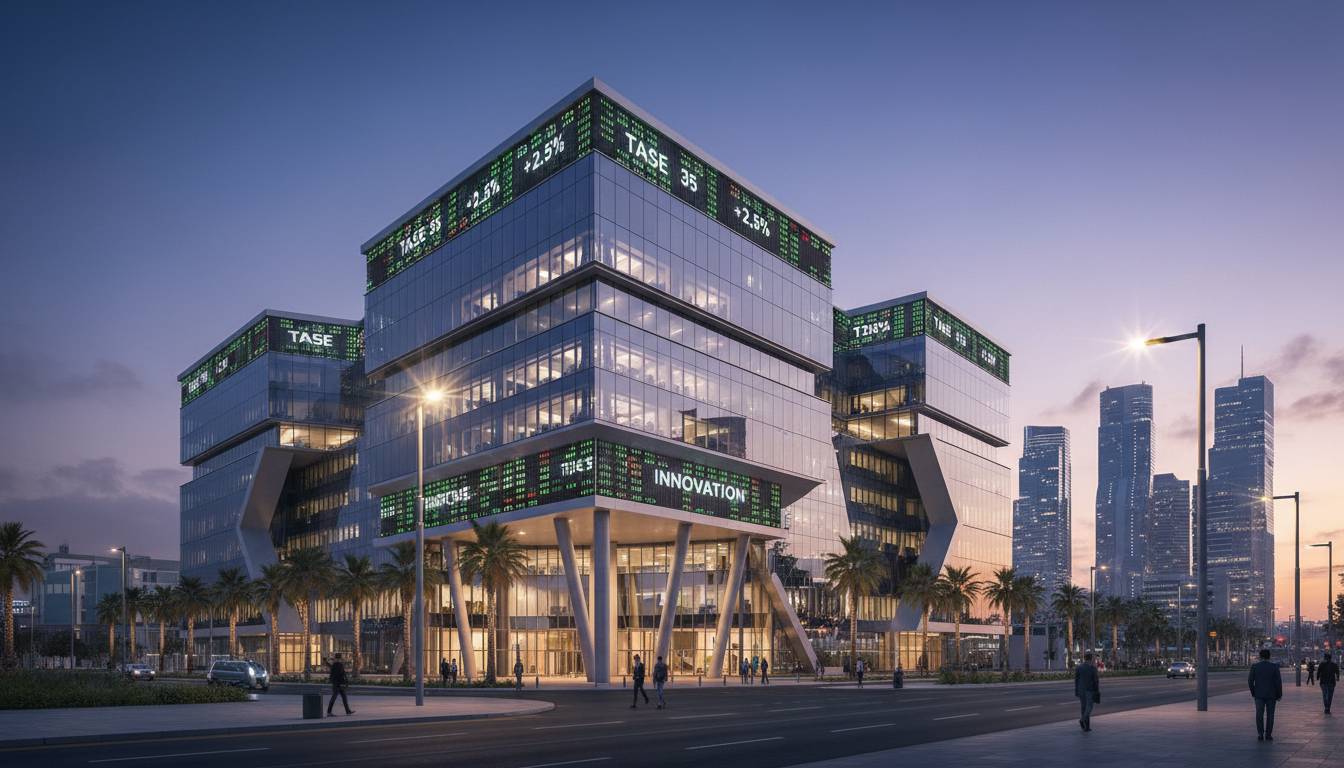
Despite the intensifying conflict between Israel and Iran, Israeli financial markets have demonstrated remarkable resilience. The Tel Aviv Stock Exchange (TASE) and its key indices—TA‑35 and TA‑125—have surged to record highs, defying conventional expectations that geopolitical turmoil would dampen investor sentiment. This article explores the data-driven underpinnings of this phenomenon, examining market structure, investor behavior, and macroeconomic context to understand why Israeli equities are rallying even as conflict escalates.

Market Resilience Amid Conflict

In June 2025, following U.S. and Israeli strikes on Iranian nuclear and military sites, the TA‑125 index rose approximately 2.2%, reaching a new peak of 2,931.9 points . Over the same period, the TA‑35 index climbed 1.5%, while the broader TASE All Share Index surged to 6,161 ILA, marking an all-time high . Remarkably, this rally occurred even as Iran launched missile attacks that damaged the TASE building and other infrastructure .

This trend continued throughout 2025. The TA‑35 and TA‑125 indices posted multiple record highs, with TA‑35 delivering over 60% returns in two years . Foreign institutional holdings in non-dual-listed Israeli shares reached a record US$19.2 billion by September 2025, up about 70% year-over-year .

Investor Behavior and Market Structure

The surge in Israeli equities appears driven by a combination of local and foreign investor confidence. Despite geopolitical risks, foreign investors increased exposure, while local institutional investors also stepped in—purchasing NIS 600 million in July 2025, following NIS 500 million the previous month . Trading volumes remained robust, with daily turnover reaching NIS 3.8 billion .

Analysts attribute the market strength to Israel’s diversified economy, strong fundamentals in defense, technology, and financial sectors, and expectations of swift conflict resolution or containment . Equinomics Research suggested that the relatively modest oil price increase—about 11%, compared to nearly 30% during the Ukraine war—reinforced investor belief in a localized, short-lived conflict .

Macroeconomic and Geopolitical Context

The market rally coincided with Operation Lion’s Roar, a coordinated U.S.–Israeli strike on Iranian targets on February 28, 2026 . Israel declared a state of emergency the same day, mobilizing reservists and closing schools and businesses . Despite these developments, investor confidence remained intact.

The conflict also triggered a sharp rise in oil prices and safe-haven assets globally. Brent crude surged, and energy stocks rallied, while European markets faltered . Yet Israeli equities continued to outperform, suggesting that domestic economic resilience and investor optimism outweighed broader market volatility.

Why Markets Are Rallying: A Data-Driven Interpretation

The central thesis: Israeli markets are rallying amid the Iran conflict because investors are pricing in a contained escalation, reinforced by strong economic fundamentals and diversified sectoral exposure.

  • Market Structure: The indices’ record highs reflect sustained buying pressure from both local and foreign investors, underpinned by robust trading volumes and inflows .
  • Sectoral Strength: Defense, technology, and financial sectors have buoyed the indices, supported by expectations of post-conflict rebuilding and economic stability .
  • Geopolitical Pricing: The relatively moderate oil price increase and swift military actions have led investors to anticipate a limited conflict, reducing perceived risk .

Risks and What Could Change

This bullish scenario hinges on the conflict remaining localized and short-lived. Escalation—such as broader regional involvement or prolonged hostilities—could reverse sentiment. Additionally, if oil prices spike further or global markets deteriorate, Israeli equities may face headwinds.

Forward Context

Looking ahead, several factors could influence market direction:

  • Conflict Trajectory: Any signs of de-escalation or ceasefire could further boost investor confidence. Conversely, expanded hostilities—such as Hezbollah’s involvement from March 2, 2026—could introduce volatility .
  • Economic Indicators: Upcoming Israeli economic data—GDP growth, credit conditions, and sectoral earnings—will be critical in validating the market’s optimism.
  • Global Market Trends: Continued strength in energy prices and safe-haven flows may support Israeli equities, but a global risk-off shift could dampen performance.

Disclaimer: This article is for informational purposes only and does not constitute financial or investment advice. Cryptocurrency investments carry significant risk, including the possibility of total loss. Past performance does not guarantee future results. Always conduct your own research and consult a qualified financial advisor before making investment decisions.

Continue Reading
You may also like...
Cynthia Turner

Experienced journalist with credentials in specialized reporting and content analysis. Background includes work with accredited news organizations and industry publications. Prioritizes accuracy, ethical reporting, and reader trust.

Click to comment

Leave a Reply

Your email address will not be published. Required fields are marked *

More in

To Top