

For
GME Stock: Price, Performance, News & Analysis

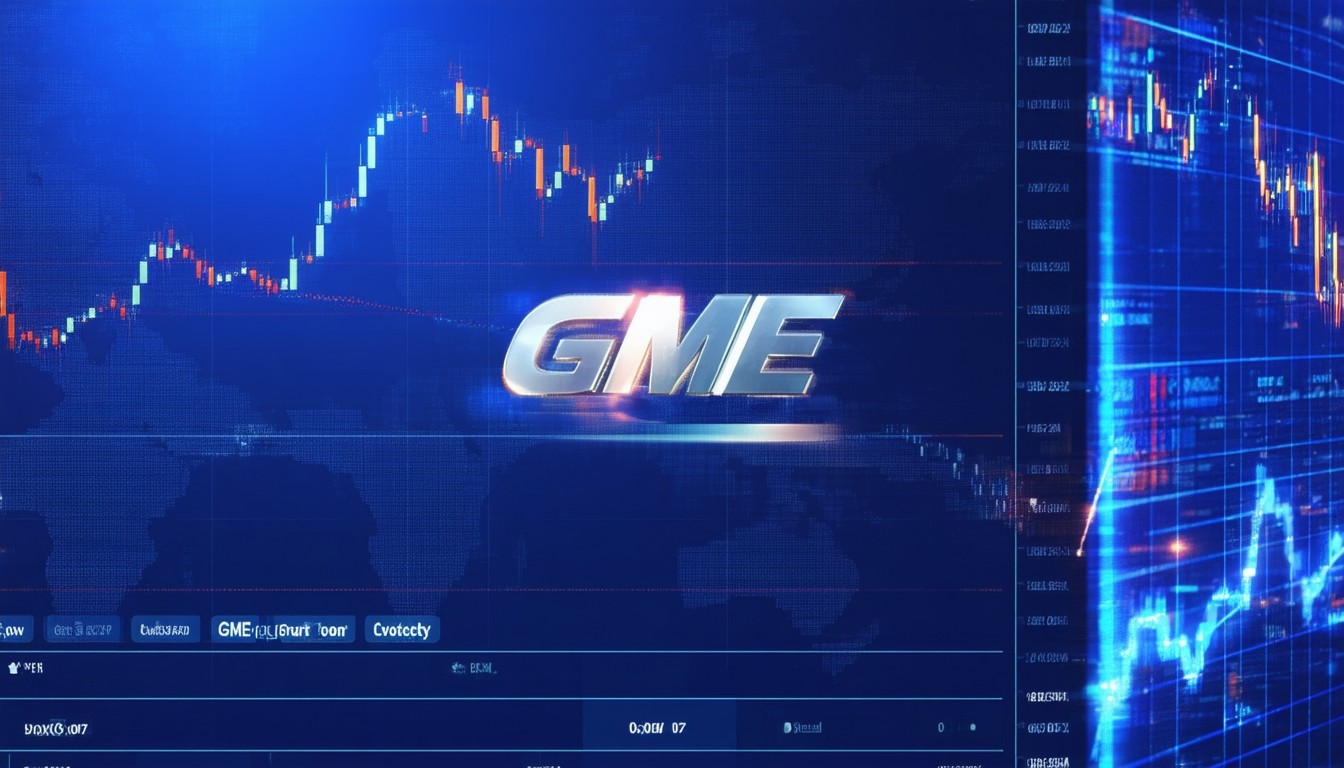
GameStop Corp. (GME) has captivated Wall Street and the broader public, transforming from a traditional brick-and-mortar video game retailer into a symbol of retail investor activism. The so-called “meme stock” phenomenon placed GME at the heart of a historic tug-of-war between institutional short sellers and online trading communities. In navigating this terrain, investors face volatility, shifting business models, and an ongoing debate about intrinsic value. This article examines GME’s recent price action, key developments, and the factors shaping its outlook.
Unpacking GameStop’s Stock Price Journey
From Specialty Retailer to Meme Stock Sensation
Founded in 1984, GameStop initially built its reputation as a leading retailer of new and pre-owned video games and hardware. However, the company’s market position waned in the face of digital downloads and shifting consumer habits. For much of the 2010s, GME was a classic example of a legacy retailer grappling with digital disruption.
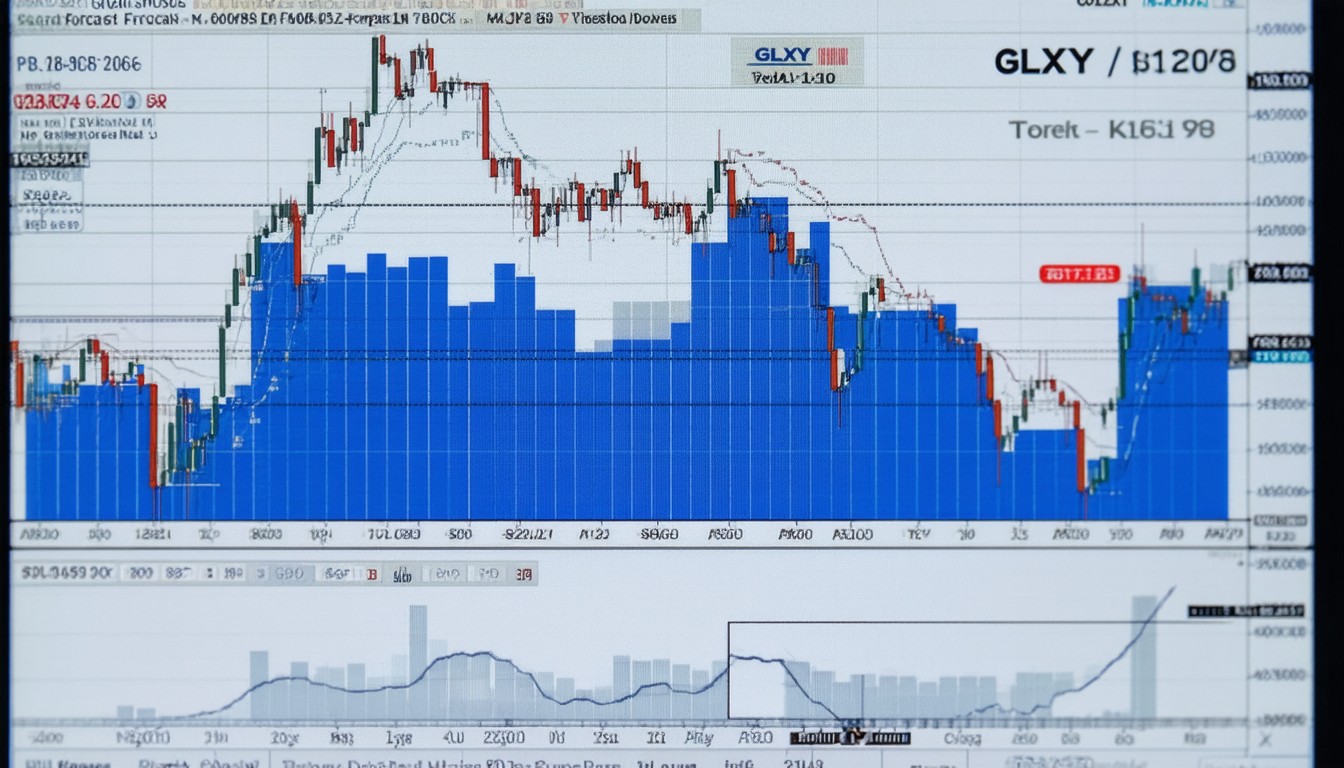
The storyline changed dramatically during January 2021, when GME’s stock soared from single digits to triple-digit levels within days. Catalyzed by the r/WallStreetBets subreddit and boosted by a high volume of short interest, the stock’s meteoric rise was fueled as much by community-driven buying as by underlying business fundamentals.
“GameStop’s rally marked a rare moment in market history when retail investors banded together to challenge hedge funds betting against a struggling company,” notes Oppenheimer analyst Brian Nagel.
While GME’s share price eventually corrected, it has remained far more volatile than its pre-2021 history would suggest, retaining its meme stock cachet.
Key Price Drivers
The price of GME is shaped by several interlocking forces:
- Short Interest Volatility: At its height, more than 100% of GameStop’s float was reported to be sold short, intensifying upward price pressure as shorts rushed to cover.
- Retail Trading Activity: Social media and brokerages with zero-commission trading have kept GameStop’s stock in the spotlight, sometimes regardless of company news.
- Business Transformation Efforts: Management’s moves to diversify into e-commerce and digital initiatives, led by high-profile investors like Ryan Cohen, directly impact sentiment and stock price swings.
Beyond these, broader market conditions and sector performance continue to play a notable role, particularly as consumer discretionary stocks ebb and flow with macroeconomic shifts.
Financial Performance and Business Fundamentals
Revenue Trends and Profitability
Examining GameStop’s recent financials reveals both industry headwinds and efforts at transformation. Revenues have trended downward over the past decade, reflecting not just the drop in physical game sales, but also the competitive threat posed by digital marketplaces.
- Revenue Stabilization: Despite declines, the company has aimed for stability through cost-cutting, closing underperforming stores, and new business initiatives.
- Profit Margins: Profitability remains under pressure, as legacy inventory management and ongoing pandemic impacts weigh on results.
- Cash Position: One post-meme-stock-change has been a strengthened balance sheet, as equity offerings during stock price surges bolstered the company’s cash reserves.
Strategic Transformation
The appointment of activist investor Ryan Cohen as Chairman in 2021 signaled a renewed focus on digital growth, including:
- E-Commerce Expansion: Substantial investments in online retail infrastructure.
- NFT & Web3 Initiatives: Attempts to capitalize on trends like NFTs, though results have been mixed.
- Leadership Changes: A string of executive hires from the tech and e-commerce sectors aimed at reinventing GameStop’s core business.
However, tangible results from these strategies remain uneven, with critics noting that digital transformation alone may not offset structural challenges.
Recent News and Market Sentiment Shifts
Headline Events
GameStop remains a fixture in financial headlines, often for reasons far beyond its quarterly earnings.
- Shareholder Meetings & Announcements: Each annual shareholder gathering draws speculation on potential business pivots or stock splits.
- Trading Halts & Volatility: Regulatory scrutiny has increased as dramatic price moves continue, leading to periodic trading halts and inquiries from financial authorities.
A notable example occurred in May 2024, when a spike in trading volume followed rumors of renewed short interest. The stock seesawed dramatically, demonstrating the ongoing power of narrative and retail momentum.
Analyst Views and Divergence
Institutional analysts remain divided on GME’s prospects:
- Bearish Cases stress continued pressure on legacy retail and a lack of clarity about long-term profitability.
- Bullish Arguments hinge on GameStop’s brand value, cash reserves, and the potential for digital reinvention.
Yet for most observers, GME’s unpredictability is the primary constant, with both upside spikes and precipitous drops possible.
Technical Analysis of GME Stock
Chart Patterns and Trading Setups
Many traders now approach GME with a technical lens, seeking to capitalize on its volatility.
Common Technical Indicators for GME:
- Relative Strength Index (RSI): GME regularly spikes to overbought or oversold territories in short intervals.
- Moving Averages: The 50-day and 200-day moving averages are closely watched, with “golden crosses” and “death crosses” prompting fresh momentum.
- Volume Spikes: Unusually high trading volume is often a precursor to sharp moves, highlighting the influence of collective retail action.
Risk Management Considerations
Engaging with GME stock demands rigorous risk controls:
- Rapid price swings can trigger forced liquidations or margin calls for leveraged traders.
- Options activity—often substantial in meme stocks—adds additional complexity and exposure, favoring those with advanced market knowledge.
Experienced risk managers caution that short-term trading opportunities can be offset by sudden reversals.
The Broader Impact of GME on the Stock Market
Meme Stocks and the Democratization of Trading
GameStop’s journey redefined notions of market efficiency and the power of the modern retail investor:
- Community Cohesion: Platforms like Reddit and Discord became new sources of stock research and collective action.
- Brokerage Innovation: Commission-free trades and fractional shares lowered barriers to entry, further accelerating the meme stock trend.
While few companies have matched GME’s profile, the broader consequences for market volatility and transparency continue to unfold, prompting ongoing dialogue among regulators and market participants.
“GME’s saga was less about one company and more about the transformation of market access, where social trading dynamics now play a considerable role,” comments Jaime Rogozinski, founder of the r/WallStreetBets forum.
Regulatory and Industry Response
The U.S. Securities and Exchange Commission (SEC) and other global regulators responded with fresh scrutiny around clearing mechanisms, settlement procedures, and the use of social platforms for market-moving information. The enduring lesson is that the very nature of equity markets is in flux.
Conclusion: Navigating Opportunity and Volatility in GME Stock
GameStop stock remains an intricate tapestry of financial narratives, technical trading, and cultural zeitgeist. Its unprecedented volatility and high-profile status underline the way modern markets are shaped by both fundamentals and community action. For investors, the path forward depends on robust due diligence: analyzing evolving business strategies, monitoring technical signals, and, above all, accepting the risks inherent to such a high-profile, unpredictable equity.
As GameStop pursues its transformation and retail investors maintain a watchful eye, GME will likely stay synonymous with both market possibility and risk.
FAQs
What caused the GME stock price surge in 2021?
A perfect storm of high short interest, collective retail trading via platforms like Reddit, and a surge in media attention led to a dramatic short squeeze and a historic price rally in early 2021.
Is GameStop still considered a “meme stock” today?
Yes, GME is still widely seen as the original meme stock, known for its volatile trading and significant influence from online investing forums.
How has GameStop attempted to transform its business?
GameStop has shifted focus to digital commerce, explored NFTs and Web3, and brought in new leadership to guide its transformation beyond traditional retail.
What are the main risks of trading GME stock?
Rapid price swings, unpredictable news-driven moves, and persistence of high short interest present significant risks for both short- and long-term investors.
Are analysts bullish or bearish on GME’s prospects?
Analyst opinions are mixed; some highlight the ongoing challenges in retail while others see potential in digital initiatives and the company’s renewed financial position.
Where can I find updated GME stock price and news?
Real-time updates are available via major financial news sites, stock market apps, and company press releases, ensuring investors have access to the latest information for decision-making.