


Crypto
Crypto Cards: Best Payment Solutions for Digital Currency Users

Digital currencies have reshaped the way we think about finance, ownership, and cross-border payments. Yet, one persistent roadblock has been the practical everyday use of cryptocurrencies: how to seamlessly spend Bitcoin, Ethereum, or stablecoins in the real world. Enter crypto cards—payment solutions that bridge the gap between the crypto ecosystem and traditional commerce. By integrating digital currencies directly with established card networks like Visa and Mastercard, crypto cards are empowering users to transact, shop, and even earn rewards using their digital assets. This development signals a significant leap toward making cryptocurrencies a functional medium of exchange, not just a speculative investment.
How Crypto Cards Work: Bridging Cryptocurrency and Traditional Payments
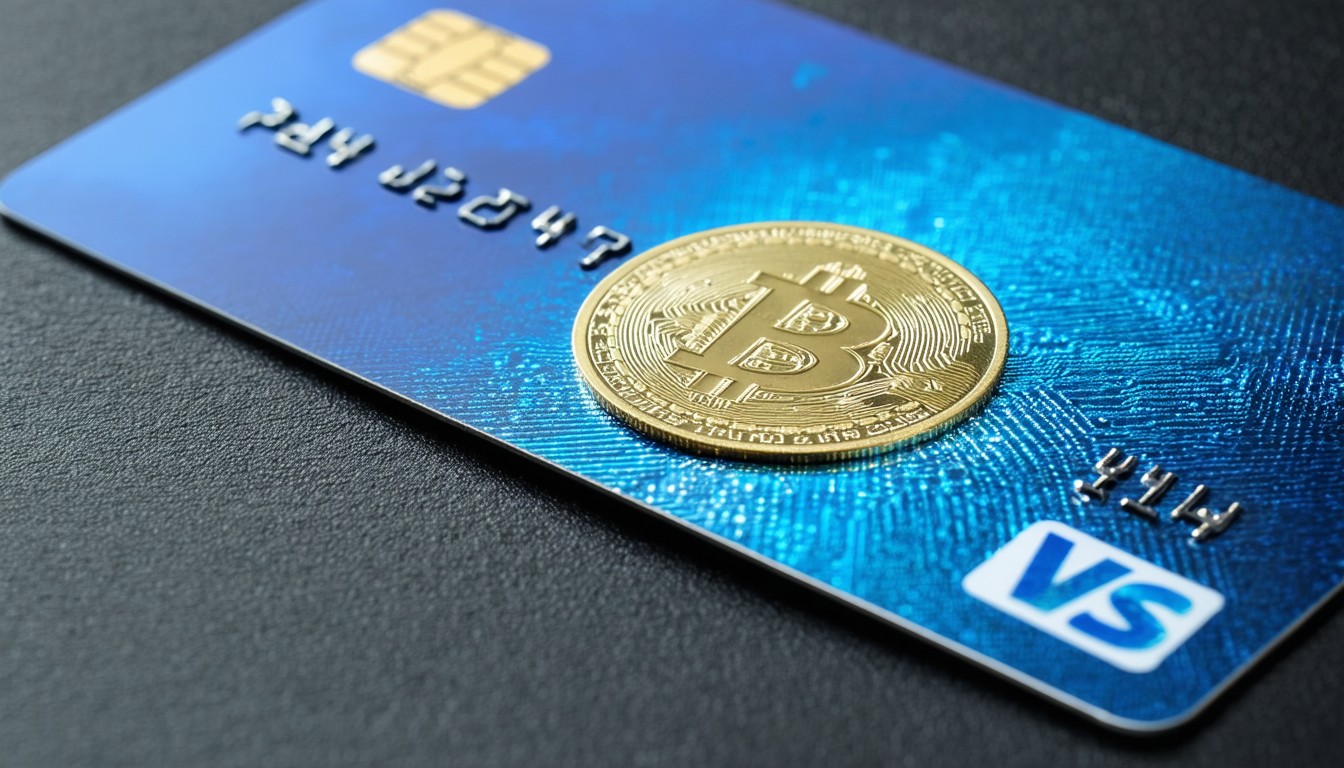
At their core, crypto cards operate much like conventional debit or credit cards but with a crucial distinction: they draw funds from a crypto wallet instead of a fiat currency account. When a user swipes their crypto card at a retailer, the back-end platform instantly converts the required amount of cryptocurrency into local fiat currency. This process is largely invisible to merchants, who receive payments as they normally would.
Types of Crypto Cards
Not all crypto cards are created equal. The market includes:
- Prepaid Crypto Cards: Load with digital assets in advance. Funds are converted to fiat at the point of loading or spending.
- Debit Crypto Cards: Link directly to a crypto wallet; conversions occur instantly with each purchase.
- Credit Crypto Cards: Less common, but emerging—these offer a credit line backed by cryptocurrency holdings or, in some cases, by partner financial institutions.
Each type carries unique features around conversion fees, supported currencies, and withdrawal capabilities.
Conversion, Fees, and Usability
Service providers typically charge a spread on currency conversions and, occasionally, card issuance or ATM withdrawal fees. Industry leaders continually refine fee structures to attract users. According to a 2023 trend report from The Block, some platforms have reduced or eliminated fees as competition heats up, seeking to replicate the frictionless experience users expect from fintech innovators.
Leading Crypto Card Providers and Their Differentiators
Several brands have emerged as category leaders, each bringing unique strengths and user perks.
Crypto.com Visa Card
Crypto.com’s card is among the most widely used, known for its tiered rewards system, which offers cashback (paid in CRO, the platform’s native token), airport lounge access, and even free subscriptions to streaming services for higher-tier users. The flexibility to top up with multiple cryptocurrencies and stablecoins cements its appeal.
Coinbase Card
Launched by the prominent U.S. exchange, Coinbase Card supports a broad range of tokens. Its unique feature is automatic, real-time crypto-to-fiat conversion at the point of sale. Users manage card settings easily through the Coinbase app, including spending controls and tracking.
Binance Card
Binance, the world’s largest crypto exchange by volume, offers its Visa-branded card to users in select regions. With support for key assets like BTC and BNB, the Binance Card is known for low conversion fees and a straightforward rewards model.
Real-World Scenario
Consider a blockchain developer attending an overseas conference. Instead of navigating currency exchange booths, they use their crypto card for travel, dining, and hotel expenses, automatically converting digital holdings into the local currency at competitive rates.
“Crypto cards are rapidly evolving to meet consumer demand for borderless, intuitive spending,” observes Simon Peters, Market Analyst at eToro. “They’re enabling real-world use of digital assets—significantly contributing to mainstream cryptocurrency adoption.”
Benefits of Using Crypto Cards
Beyond basic spending convenience, crypto cards offer several compelling advantages for both novice and seasoned digital currency enthusiasts.
Instant Spendability
Previously, using cryptocurrency for daily purchases often meant complex, time-consuming transfers to fiat accounts. Crypto cards eliminate this friction, allowing users to instantly liquidate digital assets at the point of sale or online.
Global Usability
Because crypto cards harness established networks like Visa or Mastercard, they are accepted at tens of millions of locations worldwide. This broad acceptance is vital for traveling, remittances, or cross-border e-commerce.
Crypto Rewards and Loyalty Programs
Many providers incentivize card use by offering rewards paid in crypto—often with rates that rival or exceed mainstream cashback cards. These perks may include direct token rewards, access to exclusive platforms, or participation in broader ecosystem benefits.
Improved Financial Flexibility
For individuals in regions without robust banking infrastructure, crypto cards can provide a pathway to international commerce and savings. In countries facing inflation or currency restrictions, they may act as a financial lifeline.
Challenges and Considerations for Crypto Card Users
The landscape is promising but not without challenges. A cautious approach is wise, especially given the evolving regulatory framework.
Regulatory Risks and Compliance
Crypto card issuers must balance innovation with regulatory demands—from know-your-customer (KYC) checks to anti-money laundering rules. As governments around the world clarify their stance on crypto payments, platforms may change fee structures or restrict certain services.
Transaction Fees and Conversion Costs
While some competitors tout “zero-fee” models, users should scrutinize the fine print. Foreign transaction fees, crypto-fiat spreads, or ATM withdrawal costs can all eat into potential savings. Tools that clarify these costs in advance are a distinguishing feature among top providers.
Security and Asset Protection
Crypto card users must remain vigilant against digital theft and phishing, as with all crypto wallets. Two-factor authentication, insurance, and cold storage of unused digital assets all contribute to a more secure experience.
Tax Implications
In many jurisdictions, each crypto-to-fiat conversion is a taxable event. Tracking these transactions manually can be arduous; some platforms now integrate reporting tools to help users stay compliant.
Trends Shaping the Future of Crypto Cards
Adoption of crypto cards is expected to accelerate as digital currencies gain broader acceptance and regulation matures.
Integration with DeFi and NFT Ecosystems
Some card issuers are experimenting with direct links to decentralized finance (DeFi) services, allowing users to tap into lending, staking, or NFT purchases directly from their card-linked wallets.
Expansion of Credit Options
Although currently limited, the emergence of true crypto-backed credit cards—where users leverage their assets for unsecured lines of credit—could significantly expand consumer options and increase mainstream appeal.
Strategic Partnerships
Major payment networks are teaming up with crypto platforms to ensure seamless global acceptance. In 2023, Mastercard and several leading crypto exchanges announced collaborations aimed at streamlining compliance and boosting merchant confidence in accepting crypto-linked payments.
Conclusion: Crypto Cards—Empowering the Everyday Crypto User
Crypto cards are quickly closing the gap between the dynamic world of digital assets and the established habits of everyday consumers. They allow individuals to navigate both financial ecosystems with ease, security, and new opportunities for rewards and savings. As providers refine offerings and address regulatory, security, and user-experience concerns, crypto cards stand poised to become a standard fixture in digital payments. For digital currency users seeking convenience, flexibility, and global reach, these innovative payment tools are unlocking new frontiers.
FAQs
What is a crypto card and how does it work?
A crypto card is a payment card that enables users to spend digital currencies like Bitcoin or Ethereum. It works by converting crypto assets to fiat currency at the point of sale, allowing purchases at any location accepting traditional cards.
Are crypto cards accepted globally?
Most crypto cards use established networks like Visa or Mastercard, so they are accepted wherever those brands are supported. However, availability depends on the card provider’s regional coverage and local regulations.
What fees should I expect with crypto cards?
Fees can include currency conversion charges, ATM withdrawal fees, and sometimes card issuance costs. It’s important to review each provider’s fee structure before choosing a card.
Are there any risks in using crypto cards?
Risks include potential security threats, loss of funds from hacking, and regulatory changes that could impact service. Users should practice strong security habits and stay informed about legal developments.
Do crypto cards impact my taxes?
In many regions, spending crypto is a taxable event, as each conversion to fiat currency may trigger capital gains tax. Some platforms offer transaction reports to help users with tax compliance.