

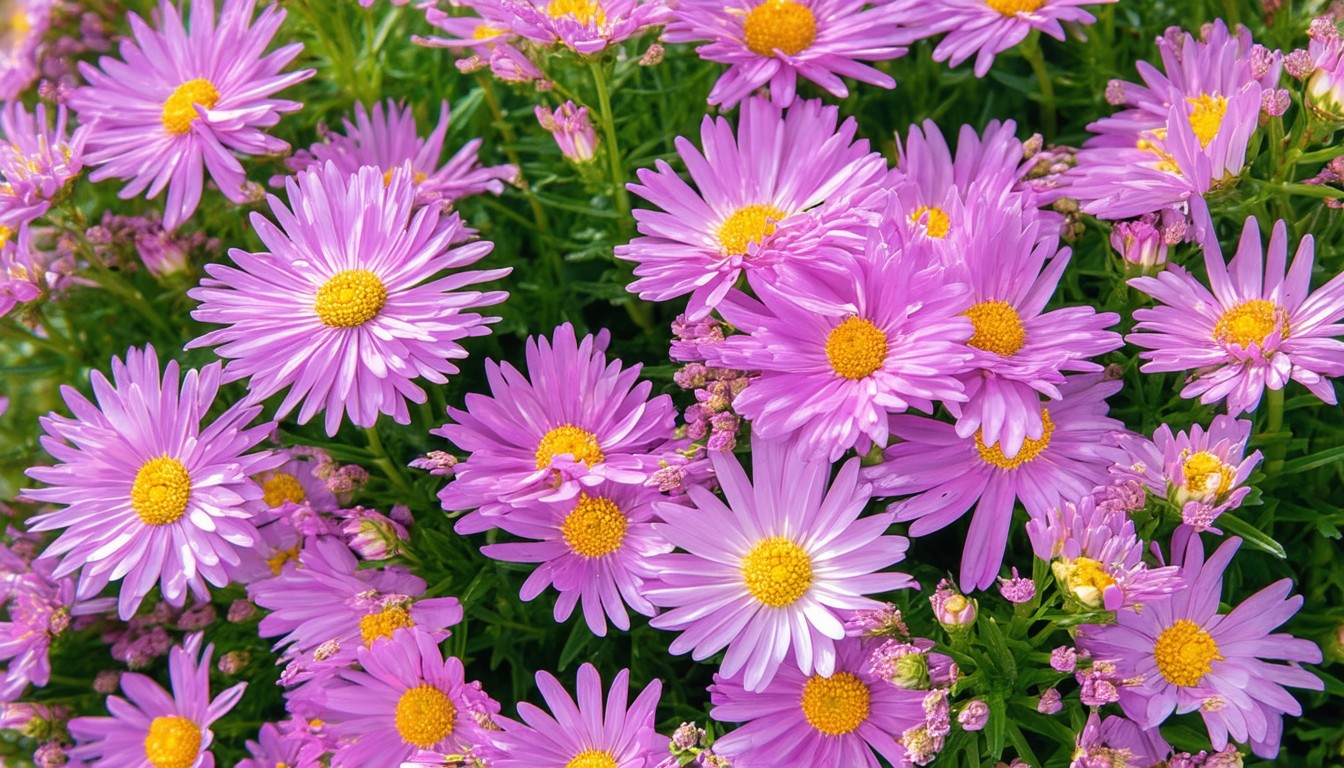
Asters, with their daisy-like blooms and vibrant autumn hues, are a time-tested favorite among gardeners, landscape designers, and ecological restoration experts. Belonging to the Asteraceae family, these perennials have graced gardens for centuries, offering late-season color when much of the floral landscape begins to fade. Native to North America, Europe, and Asia, asters are valued for their diversity—ranging from compact border varieties to tall, wildflower meadow mainstays. Recent trends in pollinator-friendly gardening and climate-resilient landscapes have brought renewed attention to the aster, not only for its beauty but also for its wildlife support and adaptability.
Understanding the Aster: Varieties and Botanical Basics
Iconic Aster Species and Cultivars
There are more than 180 species of true asters, but in horticulture, the term “aster” often includes related genera such as Symphyotrichum and Eurybia. Popular garden species include:
- Symphyotrichum novae-angliae (New England aster): Known for its showy, purple-pink rays and robust growth.
- Symphyotrichum novi-belgii (New York aster): Celebrated for vivid, varied colors and compact form.
- Alpine, heath, and smooth asters: Favorite low-growing or groundcover options.
Varieties span a color spectrum from classic lavender and violet to pink, white, blue, and even striking two-tones. Heights can range from petite 6-inch plants to statuesque specimens over 4 feet.
Ecological and Cultural Significance
Asters play a critical ecological role, providing autumn nectar to bees, butterflies, and other pollinators when few other flowers are in bloom. Native asters are also integral to prairie restoration projects and are referenced by Indigenous communities for their medicinal properties. In floriculture, their symbolic meanings—love, patience, and elegance—add depth to garden design and floral arrangements.
“Asters are indispensable for extending the pollinator season and supporting biodiversity in climates with diminishing late-summer food sources,” observes Dr. Karin R. Hilt, ecologist and restoration specialist.
Growing Requirements: Site Selection and Soil Preparation
Ideal Light, Soil, and Climate
Asters thrive in full sun, requiring at least six hours of direct light for best bloom density and stem strength. While species-specific preferences can vary, most garden asters prefer:
- Soil: Loamy, well-drained soils; amend heavy clay with compost for drainage.
- pH: Slightly acidic to neutral (6.0–7.0).
- Climate: Hardy across USDA zones 3–8, with certain alpine species suited for colder areas.
Proper site selection and soil improvement are the foundation for vibrant, resilient aster displays.
Preparing Your Planting Area
Before planting, loosen soil to a depth of 12–15 inches, mix in aged compost, and check for adequate drainage—standing water spells disaster for asters. Spacing is crucial; dense clumps can spur disease, so aim for 12–24 inches apart depending on cultivar.
Planting Asters: Propagation and Timing
Methods for Starting Asters
Asters can be started from seeds, cuttings, or divisions. While seed propagation is economical and can introduce exciting varieties, germination rates may be uneven and hybrid offspring unpredictable. For reliability, gardeners often:
- Purchase container-grown plants for immediate impact.
- Divide established clumps in spring or fall, preserving plant vigor and expanding displays.
- Root stem cuttings indoors in late spring for tailored propagation.
Best Practices for Planting
Spring is optimal for planting, allowing roots plenty of time to establish before seasonal stress. When dividing or transplanting, water thoroughly, mulch lightly (2–3 inches), and keep the root zone moist but not soggy during the first growing weeks.
Ongoing Aster Care: Watering, Pruning, and Disease Management
Watering and Fertilizing
Once established, asters are moderately drought-tolerant, but irregular rainfall—especially during flowering—can stress plants. Consistent moisture in the root zone, not on the foliage, is key. Over-fertilizing with high-nitrogen blends may produce lush leaves instead of blooms; opt for a balanced, slow-release formula once in spring.
Pruning for Performance
To encourage bushiness and prevent leggy, flopping stems:
- Pinch back the top 1–2 inches of new growth in early summer.
- Cut back dead flower heads (“deadheading”) to prolong blooming.
- Divide crowded plants every 2–4 years in early spring to sustain bloom quality.
Preventing and Managing Pests and Diseases
Asters can be susceptible to powdery mildew, especially if air circulation is poor or leaves are continuously wet. Mitigate risks by:
- Avoiding overhead watering in late afternoon/evening.
- Providing ample spacing and thinning overcrowded stems.
- Removing affected foliage at season’s end.
Common pests include aphids and leafhoppers; both can generally be controlled with horticultural soap or by attracting natural predators such as ladybugs.
Asters in Design: Color, Seasonality, and Wildlife Value
Using Asters for Multi-Season Impact
Asters deliver unique autumn color, bridging the gap between midsummer perennials and fall foliage. Their upright habit makes them ideal for mixed perennial borders, prairie gardens, and naturalized meadow plantings. In urban gardens, compact cultivars work well in patio containers and pollinator pots.
Many conservation groups and public gardens are now prioritizing asters in butterfly gardens and bee sanctuaries, reflecting their role as a nectar lifeline for migrating Monarchs.
Pairing with Companion Plants
For season-long color and layered habitat, combine asters with:
- Rudbeckia (Black-eyed Susan)
- Solidago (Goldenrod)
- Echinacea (Coneflower)
- Ornamental grasses
This not only extends the bloom period but also creates a low-maintenance, ecologically beneficial planting scheme.
Conclusion: Maximizing the Beauty and Utility of Asters
Asters reward thoughtful gardeners with profuse blooms, essential pollinator support, and design flexibility—making them an invaluable addition to modern landscapes and restoration efforts. By understanding their preferences for sun, soil, and spacing, even novice gardeners can achieve spectacular results. As climate resilience and biodiversity become top priorities in horticulture, asters rightly reclaim their spotlight as both beautiful and pragmatic perennials.
FAQs
What is the best time of year to plant asters?
Early spring or fall is ideal for planting asters, allowing roots to establish with less stress. Avoid midsummer planting, as heat and drought can challenge young roots.
How do you prevent asters from getting powdery mildew?
Maintain good air circulation, avoid overhead watering late in the day, and remove crowded or infected stems. Some cultivars offer improved mildew resistance.
Are asters good for attracting pollinators?
Absolutely—asters provide late-season nectar for many bees, butterflies, and other pollinators, making them a cornerstone of wildlife-friendly gardens.
Can asters be grown in containers?
Yes, many dwarf and compact aster varieties thrive in pots as long as drainage is excellent and watering is consistent. Choose a soil mix suited for perennials.
How often should asters be divided?
Divide asters every 2–4 years, or whenever clumps become crowded and flowering diminishes. Early spring is the least stressful time for divisions.
Why aren’t my asters blooming?
Asters may fail to bloom if they receive too little sunlight, excessive nitrogen fertilizer, or are overcrowded. Ensure plants have space and are not shaded by taller companions.