

Market
Polymarket US: Explore Decentralized Prediction Markets and Crypto Betting

The intersection of blockchain technology and financial forecasting is transforming the very nature of markets—and nowhere is this more apparent than in the proliferation of decentralized prediction platforms such as Polymarket US. At its core, Polymarket empowers users to stake cryptocurrency on the outcomes of real-world events, effectively democratizing predictions on everything from political races to macroeconomic trends. As regulatory scrutiny on Web3 applications grows and public appetite for alternative investment mechanisms rises, understanding the landscape, utility, and risks of Polymarket US has become essential for both seasoned crypto investors and newcomers curious about decentralized betting.
How Polymarket US Operates: Architecture and User Journey
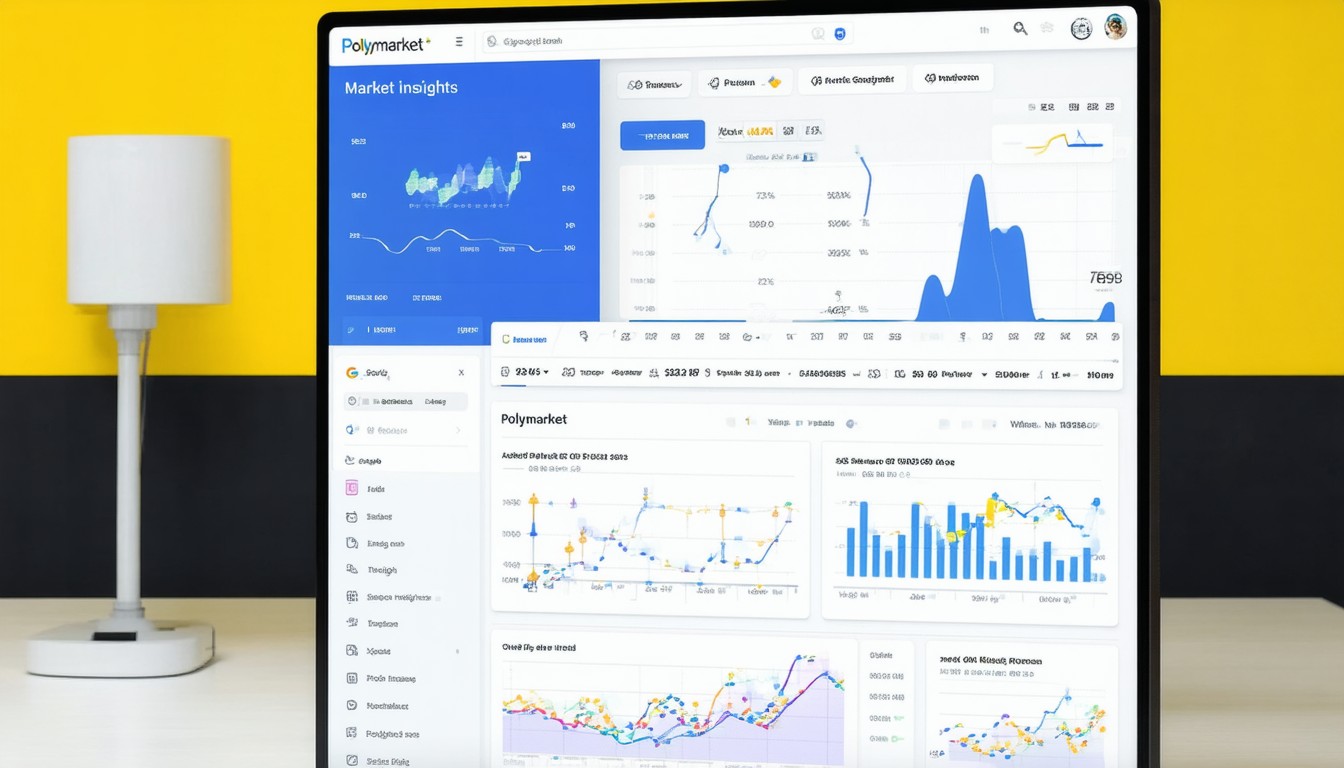
Polymarket is a decentralized platform built on Ethereum and employs smart contracts to facilitate transparent, censorship-resistant prediction markets. Instead of a centralized bookmaker setting odds, users crowdsource probabilities by buying and selling shares in binary outcomes—such as “Yes” or “No” markets—using stablecoins and other digital assets.
Opening a Market: From Creation to Resolution
The process begins when a user proposes a new market centered on a verifiable event, such as, “Will the Federal Reserve raise interest rates this quarter?” This event is then listed, allowing participants to purchase shares corresponding to their predictions. The price of each share (in USDC, for instance) continuously adjusts according to the collective bets of market participants, reflecting the consensus probability of the outcome.
Upon the event’s conclusion, an on-chain resolution mechanism—often driven by reputable oracles—determines the winning side. Smart contracts automatically distribute the winnings, minimizing counterparty risk and manual intervention.
Seamless UX: Lowering Barriers to Entry
While much of the DeFi ecosystem can feel intimidating, Polymarket US has invested in a user interface that guides even crypto novices through their first wagers. Wallet integration, on-screen prompts, and real-time reporting make participation accessible, although a base familiarity with digital wallets and stablecoins is still beneficial.
Regulatory Considerations: Legal Landscape in the US
With the United States maintaining evolving—and at times ambiguous—attitudes toward online betting and cryptocurrency, the regulatory footprint of Polymarket US deserves attention. Federal law historically prohibits interstate sports betting, and the CFTC (Commodity Futures Trading Commission) scrutinizes event-based derivatives that resemble speculative contracts.
Notably, in 2022, Polymarket settled investigations with US authorities by agreeing to limit certain US-facing predictive markets and pay a penalty. Since then, Polymarket’s US market experience has differentiated—while global users enjoy broad access, American users encounter geo-fencing and market restrictions, particularly for events that could be construed as gambling under US law.
“The decentralized nature of Polymarket raises novel questions for regulators, forcing agencies to rethink legacy frameworks for a Web3 age,” observes Charles D. Whitehead, Professor of Law at Cornell Tech.
The bottom line: while Polymarket’s technical model offers unique transparency and fairness, US residents should familiarize themselves with both current access limitations and potential risks related to jurisdictional compliance.
The Strategic Edge of Prediction Markets
Beyond headline-grabbing betting opportunities, the utility of Polymarket lies in its predictive accuracy and the “wisdom of crowds.” Historically, prediction markets outperform traditional polling for certain classes of events, as financial stakes incentivize participants to aggregate information and act on their true beliefs.
Real-World Examples: Polymarket in Action
- Elections: During major US elections, Polymarket markets on candidate outcomes often display nuanced odds—sometimes predicting swings or sentiments before pollsters adjust forecasts.
- Global Affairs: Markets on topics like Federal Reserve decisions, cryptocurrency ETF approvals, or international conflicts frequently draw volume and attention from both retail users and professional traders.
- Pop Culture & Science: From COVID-19 vaccine timeline bets to Oscar winners, the breadth of tradable events showcases the platform’s flexibility.
This market-driven forecasting does not guarantee accuracy, but the open, transparent nature of blockchain allows scrutiny and unfiltered access to crowd sentiment—a valuable asset for analysts, journalists, and policymakers alike.
Risks and Challenges: Security, Liquidity, and Market Integrity
While the upsides of decentralized prediction markets are compelling, risks remain. First, smart contract vulnerabilities and oracle failures—issues endemic to DeFi—pose operational threats, though Polymarket’s history has avoided major public breaches to date.
Liquidity, or the ease with which one can enter and exit a market at reasonable prices, is also variable. Niche event markets may languish with little action, making it difficult to close positions profitably.
Lastly, market manipulation remains a concern. While transparent transaction records discourage overt fraud, coordinated “pump-and-dump” campaigns or sybil attacks (multiple accounts by one entity) could skew results, especially in thinly traded markets.
Beyond Betting: Broader Implications for Crypto and Finance
Polymarket US is emblematic of a broader movement toward decentralized finance (DeFi) applications that transgress the boundaries of traditional banking and investment. By crowdsourcing predictions on a tamperproof ledger, Polymarket blurs the lines between speculation, information markets, and public polling.
For researchers, the trove of on-chain betting data is gold for understanding shifts in public sentiment—and potentially forecasting election results, monetary policies, or tech adoption in near real-time. Meanwhile, as regulators and lawmakers study the impact of such platforms, the debate over decentralization and consumer protection is sure to intensify.
Conclusion: The Future of Prediction Markets in the US
Decentralized prediction markets like Polymarket US represent both a technical marvel and a regulatory flashpoint. Their transparent, accessible structure invites wide participation and delivers predictive power that can be harnessed well beyond gambling. However, US residents must remain vigilant regarding legal risks, conscientious use, and the ongoing evolution of local policies. As blockchain adoption climbs and the appetite for alternative finance grows, Polymarket’s trajectory in the US will remain under close watch—offering lessons and opportunities for innovators, investors, and regulators alike.
FAQs
What is Polymarket US?
Polymarket US is a decentralized prediction platform where users can wager cryptocurrency on the outcomes of real-world events, leveraging blockchain for transparency and security. US access is more limited than in some regions due to regulatory considerations.
Are prediction markets like Polymarket legal in the United States?
The legality of Polymarket in the US is complex. While decentralized platforms challenge traditional definitions, many prediction markets are subject to restrictions and oversight by federal agencies like the CFTC, especially when events resemble gambling or regulated derivatives.
How does Polymarket resolve event outcomes?
Outcomes on Polymarket are typically determined by decentralized oracles that report on real-world events. Once the result is verified, smart contracts automatically settle users’ positions and distribute winnings.
What risks are involved with using Polymarket US?
Risks include market volatility, potential smart contract vulnerabilities, uncertain regulatory treatment, and liquidity concerns for less popular markets. Users should always conduct due diligence and be aware of both technical and legal risks.
Can I use US dollars directly on Polymarket?
No, Polymarket operates with cryptocurrencies such as USDC (a stablecoin pegged to the US dollar), requiring users to convert fiat currency into crypto before participating.
Why do people use Polymarket instead of traditional sportsbooks?
Polymarket’s decentralized structure allows for more transparent odds, a broader variety of markets (including politics and global events), and potentially lower fees, all without relying on a central bookkeeper to manage bets.