

Market
Polygon MATIC: Price Prediction, Uses, and Latest Market Insights

As blockchain technology matures, scalability and interoperability have become defining challenges for decentralized networks. Amidst this backdrop, Polygon (formerly Matic Network) has emerged as a pivotal Layer-2 scaling solution for Ethereum, aiming to address congestion and high gas fees. Its native token, MATIC, sits at the heart of this ecosystem—not only powering transactions, but also fueling innovation across DeFi, gaming, NFTs, and enterprise-grade decentralized applications.
Polygon’s surge reflects broader shifts in crypto investing and development, with a steadily increasing share of Ethereum-compatible projects opting for Layer-2 chains to optimize performance and user experience. However, price dynamics, use cases, and market perceptions of Polygon MATIC continue to evolve, shaped by both technological progress and the shifting tides of investor sentiment.
Polygon MATIC Price Trends and Market Drivers
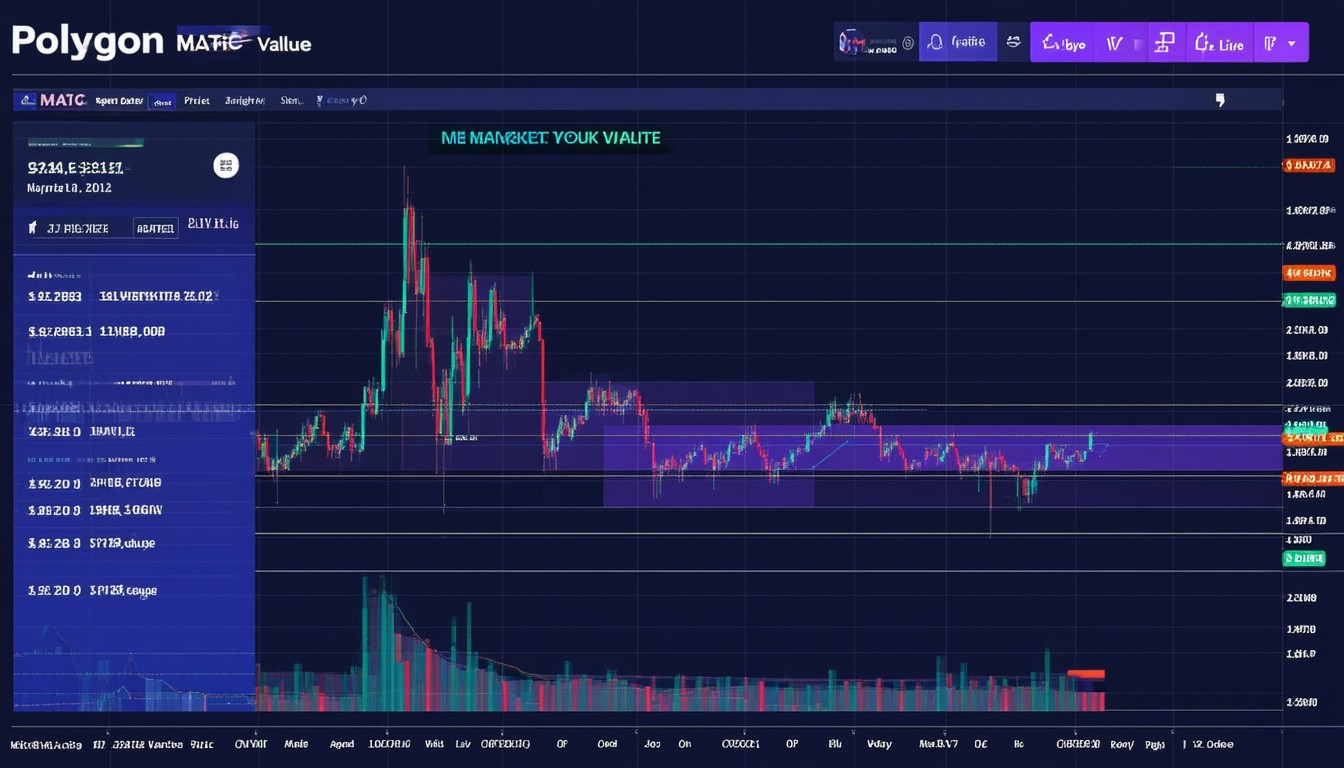
Polygon MATIC’s price journey has mirrored the broader market’s volatility, characterized by dramatic rallies, periods of correction, and resilient recoveries. While initial excitement often stemmed from speculation, recent trends highlight deeper utility and sustained ecosystem growth.
Recent Price Movements
Over the last year, MATIC has weathered fluctuations alongside headline cryptocurrencies like Bitcoin and Ethereum. Following its peak during the 2021 crypto bull run, the token experienced corrections typical of the market cycle. In 2023 and 2024, MATIC managed to stabilize and occasionally outperform peers during infrastructure or partnership announcements. Key drivers include:
- Ecosystem Partnerships: Collaborations with legacy brands such as Reddit, Meta (Instagram), and Starbucks for NFT and Web3 initiatives.
- Network Upgrades: Rollouts of zkEVM and other scaling solutions, enhancing transaction throughput and security.
- Regulatory Sentiment: News around crypto regulation, especially concerning tokens’ security status and Layer-2 compliance.
The ability to rapidly iterate—while securing high-profile industry alliances—has been integral to Polygon maintaining relevance and user growth. In moments of heightened gas fees on Ethereum, Polygon saw surges in activity, which often correlated with price rallies.
“Institutional adoption and developer migration to Polygon are among the clearest signals of its maturing fundamentals and potential for future appreciation.”
— Blockchain analytics lead, Chainalysis
Technical and On-Chain Analysis
Technical analysts often highlight support and resistance near psychologically significant levels, complemented by on-chain metrics such as active addresses, transaction volumes, and protocol revenue. Sustained developer activity and consistent network expansion are increasingly seen as predictive of long-term price strength for Layer-2 tokens like MATIC.
Polygon Use Cases: Beyond Speculation
Where early cryptocurrency projects focused mainly on coin trading, Polygon’s trajectory has been defined by practical utility. Its suite of solutions provides Ethereum scalability through sidechains, rollups, and proof-based commitments, fostering a rich environment for decentralized innovation.
DeFi, NFTs, and Gaming
Polygon hosts a flourishing DeFi scene, with protocols like Aave, Quickswap, and Curve launching Polygon versions to offer users faster, cheaper trades and lending. The NFT ecosystem has similarly expanded, with artists and projects leveraging Polygon’s cost efficiency to mint, trade, and showcase digital assets with minimal transaction fees.
In blockchain gaming, networks such as Decentral Games and Arc8 have selected Polygon for its blend of speed and affordability. This has not only drawn traditional gamers and creators but also opened new experimentation ground for play-to-earn and digital ownership models.
Enterprise and Real-World Integrations
Major consumer brands now harness Polygon’s infrastructure to experiment with Web3 loyalty schemes, digital collectibles, and ticketing. Starbucks’ Odyssey loyalty program and the collaboration with Nike for digital sneakers are prime examples. These initiatives demonstrate both the flexibility and mainstream appeal of Polygon’s stack, while reinforcing real-world utility beyond crypto trading.
Cross-Chain Interoperability
Polygon’s architectural vision extends to seamless cross-chain compatibility, notably with Ethereum’s mainnet and other EVM-based chains. Solutions like Polygon Bridge and SDKs empower tokens and assets to move with minimal friction, which is essential as DeFi becomes increasingly multichain in nature.
Polygon MATIC Price Prediction: Factors and Framework
Forecasting the future price of any cryptocurrency—including MATIC—requires careful balancing of quantitative data and qualitative analysis. It is less about predicting a single price target and more about identifying the key levers that could support sustainable growth or expose downside risk.
Growth Catalysts
- Adoption by Developers: High builder activity typically signals enduring network value, as new dApps and upgrade proposals draw user demand.
- Network Infrastructure: Successful upgrades—such as improved zkEVM performance or further progress on Polygon 2.0—could dramatically enhance the platform’s capacity and reputation.
- Strategic Integrations: Partnering with blue-chip enterprises or supporting high-traffic Web3 platforms bolsters visibility and real-world use.
Headwinds and Risks
- Ethereum Layer-2 Competition: Rival platforms, including Arbitrum and Optimism, also present compelling scalability solutions, sparking a battle for developer mindshare.
- Regulatory Uncertainty: Surveillance and ongoing debates regarding token classification can create price headwinds, particularly for U.S.-based investors.
- Market Volatility: Broader crypto cycles, macroeconomic shifts, and global policy changes can rapidly impact token prices and investor confidence.
Long-Term Outlook
While short-term prices remain unpredictable, industry experts often point to indicators such as total value locked (TVL), user retention, and real-world deployments as more meaningful metrics for understanding Polygon’s long-term promise. MATIC’s potential to both preserve and increase its value will hinge on Polygon’s ability to stay ahead technologically and maintain its position as an onboarding platform for the next wave of decentralized applications.
Latest Market Developments and Community Sentiment
Polygon’s developer community and governance processes are considered among the most vibrant in the crypto space. The roll-out of Polygon 2.0, which includes architectural upgrades and aims for unified liquidity and zero-knowledge support, is closely watched by investors and builders alike.
Sentiment in social channels remains cautiously optimistic, with holders praising Polygon’s stability and mainstream partnerships, yet also debating the long-term impact of dilution from token unlocks and incentives. Notably, feedback loops between community sentiment and on-chain data (such as increased wallet creation or major staking campaigns) often serve as early signals for market shifts.
Conclusion: Polygon’s Growing Role in the Web3 Ecosystem
Polygon MATIC exemplifies how a Layer-2 solution can achieve tangible impact, enabling scalable, user-friendly applications that bridge crypto-native and mainstream adoption. Its performance is tightly intertwined with broader market volatility, yet underpinned by demonstrable progress in technology, partnerships, and use cases.
For investors and developers alike, staying updated on Polygon’s upgrades and ecosystem initiatives is more crucial than ever. While headline prices may sway with cycles, the underlying foundation—rooted in real adoption and technical innovation—remains Polygon’s most enduring value proposition.
FAQs
What is Polygon MATIC used for?
Polygon MATIC serves as the native utility token for transaction fees, staking, and governance within the Polygon network, helping power a wide range of decentralized applications and services.
How does Polygon improve Ethereum scalability?
Polygon acts as a Layer-2 scaling solution for Ethereum, enabling faster and cheaper transactions through various technologies like sidechains, rollups, and zero-knowledge proofs.
What affects the price of MATIC?
MATIC’s price is influenced by overall crypto market conditions, Polygon’s ecosystem growth, network upgrades, major partnerships, and regulatory developments impacting token classifications.
Is Polygon compatible with other blockchains?
Yes, Polygon is designed for interoperability and cross-chain transactions, especially with Ethereum and other EVM-compatible networks, empowering asset movement and multichain DeFi.
Are there risks to investing in MATIC?
Investing in MATIC carries risks typical of cryptocurrencies, including regulatory uncertainty, technology competition, and broader market volatility; research and diversification are essential for managing these risks.
Where can I track Polygon MATIC’s latest market updates?
The latest insights on Polygon MATIC can be found on leading cryptocurrency news platforms, blockchain analytics sites, and official Polygon community channels for up-to-date developments and community discussions.