

Meaning
Pepe: The Origins, Meaning, and Popularity of the Pepe Meme

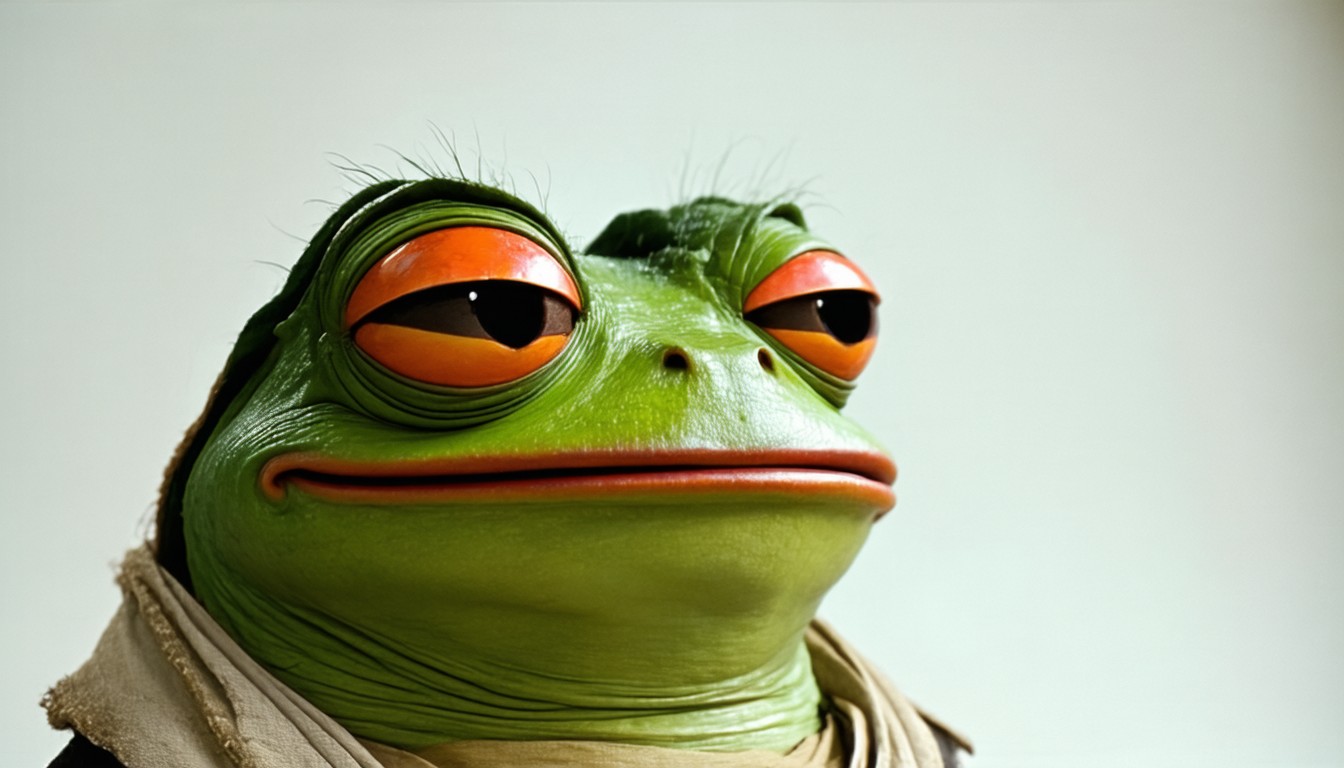
Pepe the Frog, an unassuming creation from a 2000s indie comic, has become one of the most instantly recognizable—and debated—icons of internet culture. Originating in Matt Furie’s comic “Boys Club,” the character’s evolution from a laid-back, stoner cartoon to a global meme vehicle illustrates both the unpredictable virality of online humor and the shifting meanings that digital images can adopt. As Pepe crossed linguistic and cultural boundaries, he became a lens for discussions about free speech, internet identity, and even controversial co-option by fringe groups—all before recent attempts at cultural reclamation. The story of Pepe is not simply a chronicle of viral success but a window into the power, drawbacks, and adaptability of digital communities.
The Comic Birthplace: Pepe’s Humble Beginnings
Before meme culture took over, Pepe was simply a quirky frog enjoying simple pleasures. Created by Matt Furie in 2005, Pepe debuted in “Boys Club” and was designed to embody a sense of relaxed, youthful irreverence. The comic portrayed Pepe and his roommates partaking in surreal and mundane adventures, with one panel featuring the phrase that would launch a thousand memes: “feels good man.” This expression, paired with Pepe’s laid-back demeanor, proved ripe for internet adaptation.
From Deep Forums to Mainstream Social Platforms
Pepe’s migration from the obscure pages of “Boys Club” to widespread internet fame happened on early imageboards like 4chan around 2008. Users began to edit, remix, and customize Pepe’s expressions, spawning countless derivative images. The “Sad Pepe,” “Smug Pepe,” and “Rare Pepe” variants quickly became staples of online conversation, symbolizing everything from defeat and irony to exclusivity and playfulness.
“What started as a reflection of a carefree, slightly absurd mindset soon became a palette for expressing a full spectrum of internet emotions,” notes meme historian Amanda Brennan.
As platforms like Reddit, Twitter, and Tumblr grew, so did Pepe’s presence. Meme creators favored Pepe for his versatility—one artist’s blank slate made possible by a broad range of emotions and limitless digital editing.
The Meme’s Many Faces: Shifting Symbolism
Pepe’s mass adoption resulted in a fragmented yet resilient identity. For a large swath of the internet, Pepe remained a lighthearted meme figure, often representing relatable feelings or playful inside jokes. Rare Pepe trading flourished, with digital “cards” and even NFTs in circulation.
Dark Twists: Political Appropriation and Public Backlash
In the mid-2010s, Pepe underwent a dramatic—and controversial—transformation. Fringe online groups adopted the character, combining his image with political iconography and, at times, hate symbols. This prompted coverage from major news organizations and led to the Anti-Defamation League listing some Pepe variants as hate symbols. However, it’s vital to recognize that the vast majority of Pepe memes remained apolitical and comedic.
Matt Furie himself publicly fought to reclaim Pepe. Through campaigns, artwork, and even legal action, he sought to return the frog’s representation to its roots. His efforts included the 2020 documentary “Feels Good Man,” which explored the cultural tug-of-war over Pepe and highlighted the importance of context in internet symbolism.
Pepe in the Wild: Cross-Cultural Appeal and Evolution
Pepe’s adaptability cemented his status as a digital folk icon. International meme communities embraced the character, infusing local contexts—Chinese netizens, for instance, adopted Pepe as a symbol for optimism and resilience, distancing him from Western controversies. In cryptocurrency circles, “Pepe” and his variants fuel in-jokes and coin launches, attesting to his enduring appeal and memeability.
Platform Impact and Community Resilience
Pepe’s journey illustrates how online communities can simultaneously fracture and reinforce identities. From being a badge for internet insiders to a mainstream force and, later, a contested symbol, Pepe’s persistence is a testament to the dynamism of meme culture. Studies by digital media researchers at institutions like MIT note that meme adaptation and context-shifting drive viral longevity online. Pepe, in this sense, is both a chameleon and a barometer for wider social currents.
Lessons from Pepe: Virality, Meaning, and Responsibility
Pepe’s story underscores several critical lessons about digital culture:
- Virality is unpredictable. A simple comic panel can morph into a global movement.
- Meaning is not fixed. The same image can inspire very different reactions depending on context and usage.
- Online communities have agency. Users, creators, and platform moderators all influence a meme’s trajectory.
Pepe’s return to more benign use in recent years, championed by both fans and creators, suggests that digital symbols can be reclaimed and refocused, even after intense controversy.
Conclusion
Pepe’s journey—from indie comic side character to meme megastar and back again—reflects the complexity of internet culture. While shifts in meaning have stirred debate, the continued reinvention and defense of Pepe by both creators and global communities underscore the power and potential of online storytelling. Ultimately, Pepe’s legacy is a reminder that digital culture is made—and can be remade—by those who participate in it.
FAQs
What is the origin of Pepe the Frog?
Pepe was created by artist Matt Furie for the comic series “Boys Club” in 2005. The character’s phrase “feels good man” launched his popularity on early internet forums.
Why did Pepe become so popular online?
Pepe’s versatility and expressiveness made him easy to adapt and personalize, leading to countless meme variants across platforms. His simple design and relatable emotions resonated with a wide digital audience.
Was Pepe ever officially classified as a hate symbol?
Some uses of Pepe were listed as hate symbols by organizations like the Anti-Defamation League after political groups appropriated his image. However, most Pepe memes remain non-political and lighthearted.
How did Matt Furie respond to Pepe’s misuse?
Matt Furie actively campaigned to reclaim Pepe, including legal actions and creative projects aimed at restoring his character’s original, positive meaning.
Is Pepe still a popular meme today?
Yes, despite controversies, Pepe remains widely used across social media and even in cryptocurrency culture, adapted for both playful and satirical expressions.
What can Pepe’s story teach about online meme culture?
Pepe’s story highlights how digital content can rapidly change meaning, reflect cultural shifts, and provoke debates about free expression and responsibility online.


