

Fomc
FOMC Minutes: Key Insights and Market Impact

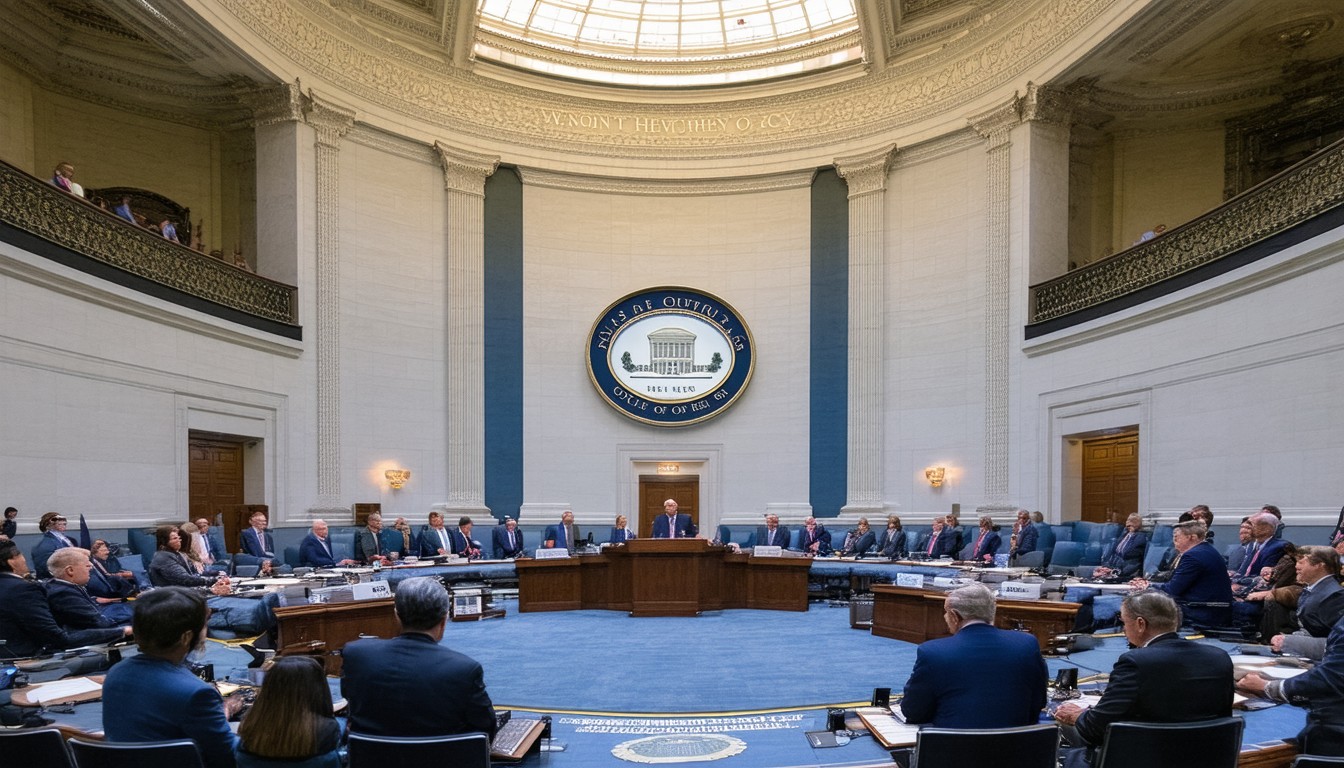
Every few weeks, investors, economists, and policymakers await a dense but critical document released by the Federal Reserve: the FOMC Minutes. Unlike the headline-grabbing FOMC statement or press conference, the minutes offer a nuanced, unvarnished look at the Federal Open Market Committee’s most recent closed-door meeting. While often overlooked by casual observers, these transcripts serve as a strategic guide for anyone trying to anticipate where U.S. monetary policy is headed—and how those signals could ripple across global markets.
The FOMC, as the rate-setting body of the Federal Reserve, meets eight times per year. Its Minutes, generally published three weeks after each meeting, provide detailed color on the thinking, debates, and concerns of policymakers. This context-rich record can reveal key factors influencing decisions on interest rates and quantitative policy, often unveiling disagreement, evolving risks, and shifting economic forecasts not always obvious in official post-meeting statements.
What Do FOMC Minutes Include? Breaking Down the Document
Beyond the Headlines: Delving into Policymaker Debate
The FOMC statement is crafted for clarity and market impact, distilling the Committee’s collective view into a few careful paragraphs. In contrast, the Minutes shine a light on differing opinions within the Committee, reveal areas of consensus and conflict, and often hint at directions monetary policy could take in the coming months.
Key components found in the Minutes typically include:
- Economic Outlook Assessment: Discussion of macroeconomic conditions such as inflation pressures, unemployment trends, and global risks.
- Policy Options Considered: Details on alternative options debated, such as adjusting the federal funds rate, tapering asset purchases, or altering balance sheet strategy.
- Rationale for Decisions: Rationales behind policy moves, including consideration of economic data, forecasts, and financial market conditions.
- Individual Member Concerns: Indications of dissenting voices, voting splits, and specific risks flagged by members.
“The FOMC Minutes are essential for market participants because they provide transparency into the nuances of the Federal Reserve’s thinking—subtleties that can move markets before any official rate change actually occurs,” commented a senior economist at a leading Wall Street firm.
Recent Themes: Inflation, Labor, and Financial Stability
Over recent years, FOMC Minutes have frequently explored themes such as persistent inflation, labor market strength or weakness, and the balancing act between fighting price increases and supporting economic growth. For example, in 2022 and 2023, the Minutes reflect an evolving concern with supply chain bottlenecks, energy price volatility, and the potential for rate hikes to trigger unintended market dislocations.
Why FOMC Minutes Move Markets
Interpreting Forward Guidance: Signals and Surprises
Global investors and traders read between the lines of the Minutes for clues about the trajectory of interest rates, the balance sheet, and the Fed’s tolerance for inflation or economic weakness. Even subtle changes in language—such as an increased focus on downside risks, or a reference to “data dependence”—can trigger swift market reactions.
When the Minutes underscore dovish signals (suggesting less aggressive tightening ahead), equities and bonds often rebound. Conversely, unexpected hawkish tone—a willingness to hike rates more or keep them higher for longer—can send stocks tumbling and the U.S. dollar soaring.
Real-World Example: Market Reaction to the Minutes
Consider the market fluctuations following the July 2023 FOMC Minutes. Investors initially interpreted the Fed’s official statement as neutral, but the Minutes revealed that several members were more concerned about stubborn inflation than previously thought. As a result, Treasury yields rose and equity markets retreated as traders recalibrated their expectations for rate hikes.
Analysts frequently note that, “the document’s level of detail gives investors an inside look at which factors are weighing most heavily on policymakers—including emerging threats not flagged elsewhere,” according to market strategists at major investment banks.
How Professionals Use FOMC Minutes in Strategy
Portfolio Rebalancing and Risk Management
Asset managers and hedge funds pore over the Minutes to position portfolios for likely scenarios. A more hawkish set of Minutes could prompt reductions in bond holdings and increases in cash or short-term instruments, while dovish Minutes might result in increased equity and credit exposure.
For fixed income investors, especially, parsing between dovish and hawkish undertones has become imperative as the Fed ends a decades-long era of near-zero rates and embarks on quantitative tightening.
FX and Global Market Implications
Because the Federal Reserve’s tone typically sets the benchmark for global central bankers, the impact of FOMC Minutes extends well past U.S. shores. Emerging market currencies, global bond yields, and commodity prices all react to perceived shifts in Fed policy. For instance, a more hawkish Fed can bolster the U.S. dollar and pressure developing economies that borrow heavily in dollars.
Algorithmic Trading and News Analytics
Increasingly, algorithmic trading systems and news analytics firms deploy natural language processing to dissect the Minutes, quantifying changes in sentiment or keyword usage. These models can execute trades in milliseconds based on textual analysis—an illustration of why even slight adjustments in the Minutes’ language can have outsized impacts.
Transparency and Criticisms: Balancing Openness with Policy Risks
Greater Transparency, But Not Without Drawbacks
The Federal Reserve has come a long way from its era of secrecy. Publishing Minutes is part of a broader push for transparency, aiming to anchor expectations and reduce market volatility from policy surprises. However, some economists warn that too much transparency can amplify minor internal disagreements and introduce new uncertainties.
“While transparency is crucial, there remains a risk that markets overinterpret the nuance or disagreement in the Minutes, mistaking healthy debate for policy instability,” says a former Fed official.
The Evolving Role of Communication
Today’s central banking playbook demands more sophisticated communication than ever. FOMC Minutes are only one tool among many, from the “dot plot” projections to ongoing speeches by Fed officials. Nonetheless, the Minutes remain a crucial mechanism for updating markets on evolving risks and strategic shifts, especially during uncertain economic junctures.
Conclusion: The Enduring Value of FOMC Minutes
FOMC Minutes are much more than a bureaucratic record. They are a critical transparency tool and a strategic signal to global markets. By meticulously analyzing not just what was decided—but how and why those decisions were reached—market participants gain valuable insight into the likely direction of U.S. monetary policy. As economic uncertainties persist and central banks shape an era beyond near-zero rates, the nuanced signals in each set of Minutes will remain essential reading for anyone navigating the intersection of finance and monetary policy.
FAQs
What are the FOMC Minutes?
The FOMC Minutes are the official summary of discussions and decisions from the Federal Open Market Committee’s most recent meeting, released about three weeks after each meeting.
Why do markets react to the FOMC Minutes?
Investors scrutinize the Minutes for subtle hints about the Fed’s policy trajectory. Details about internal debates or forward guidance can influence expectations and cause asset prices to move.
How do the Minutes differ from FOMC statements?
While the FOMC statement offers a concise summary of decisions, the Minutes provide detailed context, highlighting the range of views and reasoning behind policy moves.
When are the FOMC Minutes typically released?
The Minutes are published about three weeks after each scheduled FOMC meeting, usually on a Wednesday afternoon.
Can individuals use the FOMC Minutes in their personal investing?
Yes, even retail investors can benefit from reviewing the Minutes to understand market sentiment and anticipate potential moves in interest rates or economic conditions.