

Doge
Dogecoin Price Prediction: Expert Analysis and Future Outlook

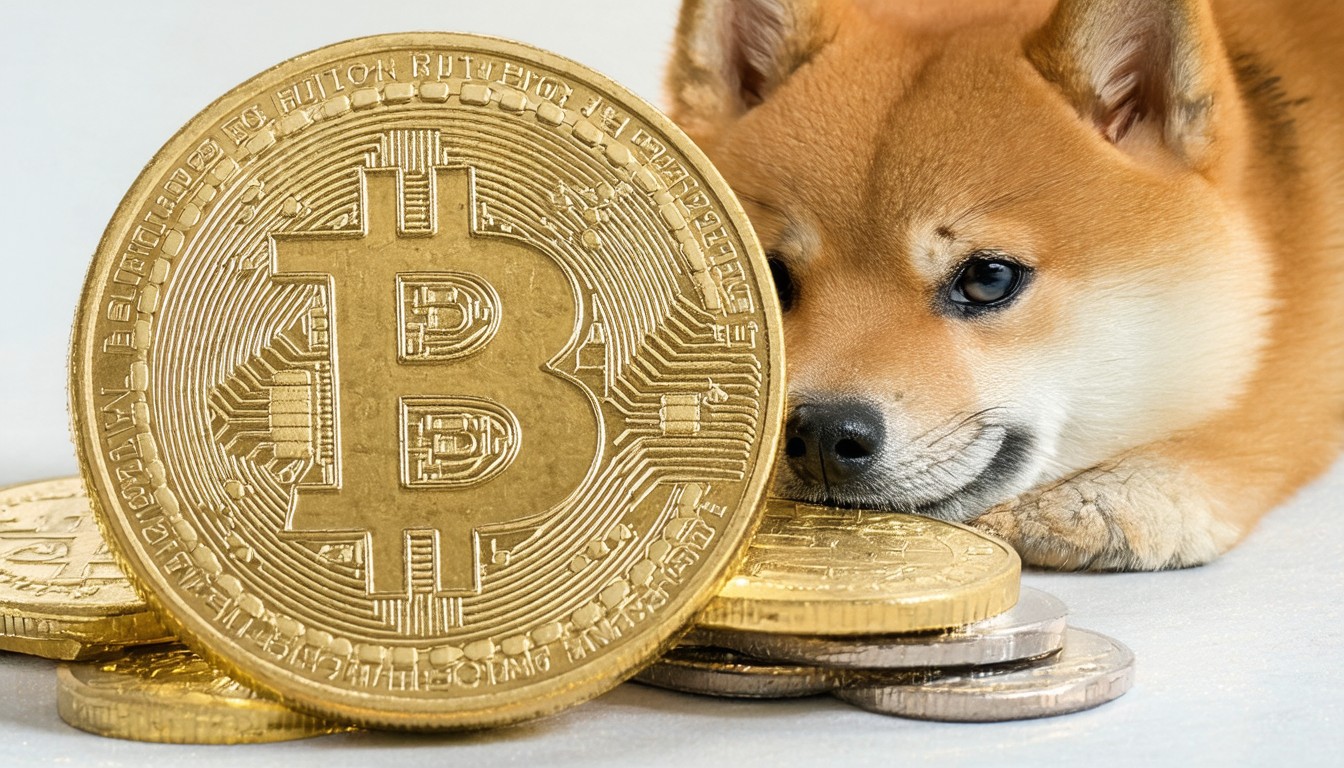
Dogecoin began as a light-hearted alternative to Bitcoin, inspired by the Shiba Inu “Doge” meme, but its journey quickly took a serious turn. What started as a joke cryptocurrency became a cultural phenomenon, known for viral community campaigns and, at times, eye-watering volatility. Over the past years, Dogecoin (DOGE) has evolved from meme coin status into a digital asset that commands the attention of both retail traders and seasoned analysts. Key questions continue to swirl: How secure is Dogecoin’s position in the crypto market, and what do experts predict for its price trajectory?
Drivers Behind Dogecoin’s Price Movements
Dogecoin’s price story is shaped by a confluence of unique factors that set it apart from other major cryptocurrencies.
Influential Community and Celebrity Endorsement
Few digital assets enjoy as robust a social media following as Dogecoin. Market spikes have often followed endorsement tweets from high-profile figures—most notably billionaire Elon Musk, whose public support has sent trading volumes soaring. In one example, after a Musk tweet referencing Dogecoin in early 2021, trading volumes reportedly jumped by thousands of percent in a matter of hours.
Beyond celebrity attention, the “Doge Army”—a large and vocal online community—can drive collective buying behavior, leading to predictable yet dramatic price surges.
Macro Trends and Cryptocurrency Market Cycles
Like most digital assets, Dogecoin does not exist in isolation. Major market events—the Bitcoin halving cycles, regulatory developments in key markets, and changes in risk appetite among global investors—all exert gravitational pull on DOGE’s price.
However, Dogecoin’s relatively high circulating supply and inflationary model diverge from the characteristics of scarcity-driven cryptocurrencies like Bitcoin. Instead of becoming scarcer, tens of thousands of new DOGE are created each minute. This places downward pressure on long-term price appreciation, unless demand can outstrip this growing supply.
“Dogecoin is an experiment in communal value; its price is as much a reflection of collective sentiment as it is of market mechanics.”
— Crypto market analyst, Jim Kayle
Technical Analysis: Reading the Charts
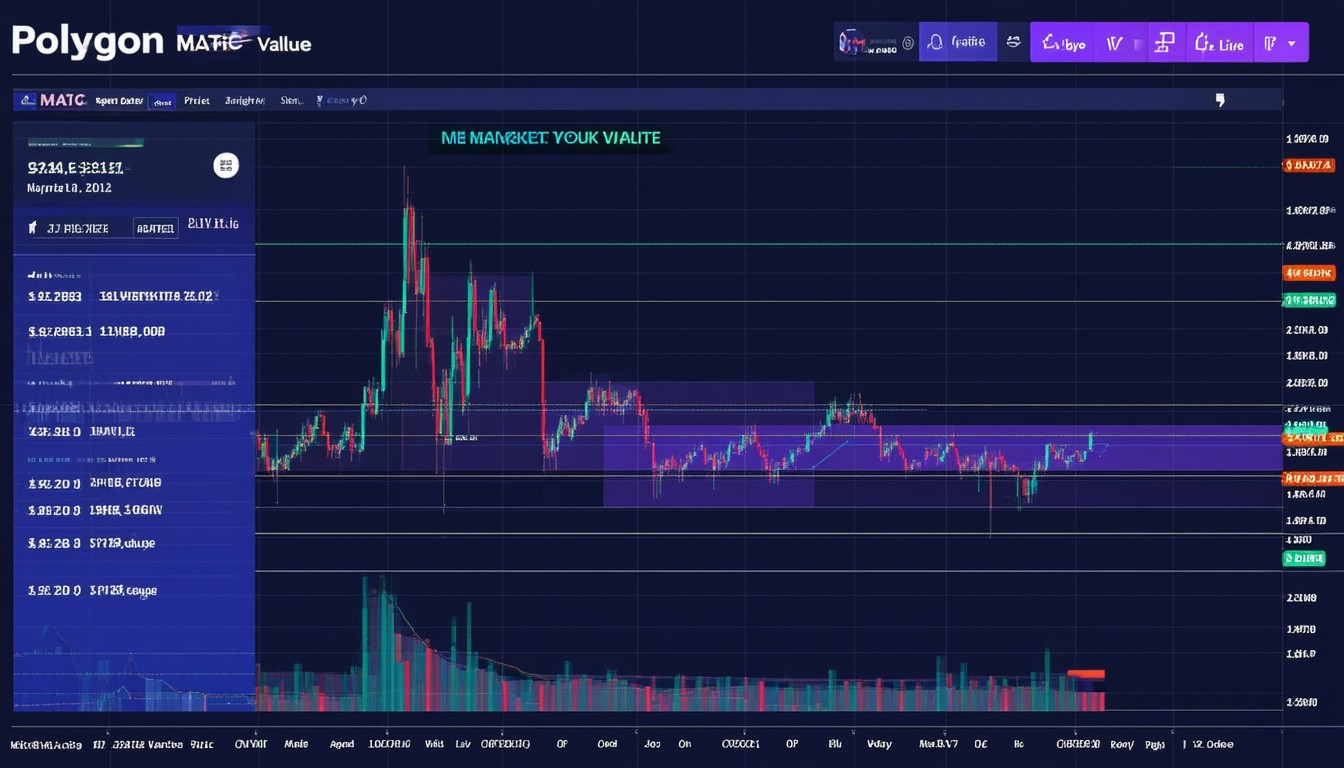
Technical analysis of Dogecoin relies on interpreting price charts, trading volumes, patterns, and historical data to infer future movements—often used alongside fundamental drivers.
Historical Price Performance
Dogecoin’s price history is punctuated by spectacular, meme-fueled rallies and subsequent corrections. Notable milestones include its initial surge past $0.01 in early 2021, followed by attempts to reach and sustain psychologically significant levels such as $0.10 and $0.50.
Key chart patterns for Dogecoin watchers often include:
- Support and resistance zones: Horizontal price bands where buying or selling typically intensifies.
- Momentum shifts: Marked by the Relative Strength Index (RSI), which can indicate overbought or oversold conditions.
- Moving averages: Important for determining underlying trends, with crossovers often signaling bullish or bearish sentiment.
Recent Market Dynamics
Volatility, a defining characteristic of DOGE, can be both a risk and an opportunity. During widespread “risk-on” periods for crypto, Dogecoin often outpaces price movements compared to established peers. In contrast, during market downturns, it is susceptible to sharp corrections, exacerbated by leveraged retail activity.
Notably, Dogecoin tends to respond more quickly to news cycles, particularly regulatory updates or platform listings, compared to “blue-chip” cryptos. Its presence on influential trading apps such as Robinhood or eToro often correlates with surges in retail trading.
Fundamental Analysis: The Essentials That Matter
While meme status launched Dogecoin, its staying power depends on more substantive factors. Analysts evaluate several core criteria to assess long-term viability and price prospects.
Supply, Inflation, and Utility
Dogecoin is inflationary by design. Unlike Bitcoin’s hard cap of 21 million coins, Dogecoin has no maximum supply—over 140 billion in circulation and counting. About 10,000 new DOGE are minted every minute. This high rate of issuance challenges Dogecoin’s suitability as a long-term store of value but enhances its potential as a low-fee, high-liquidity token for small payments.
As of recent years, there have been efforts to grow Dogecoin’s real-world utility. Some online merchants now accept DOGE, and several fintech platforms have enabled DOGE-based transactions. However, its transactional popularity remains far behind currencies like Bitcoin or stablecoins.
Security and Network Activity
Dogecoin relies on similar technology to Bitcoin and Litecoin, using a Proof-of-Work consensus mechanism. Its network security, measured by hash rate and active nodes, has generally kept pace with periods of heightened activity. Network upgrades have been rare, but ongoing contributions by independent developers and the open-source community have maintained core stability.
Dogecoin Price Prediction: Expert Outlooks and Scenarios
Predicting Dogecoin’s price is notoriously challenging due to its susceptibility to viral campaigns, celebrity mentions, and the unpredictable nature of retail-driven trading. Still, analysts attempt to map potential outcomes using a blend of chart patterns, macro outlooks, and use-case expansion.
Short-Term Scenarios (Next 6–12 Months)
Experts note that DOGE’s price has a tendency to mirror broader crypto cycles:
- Bullish Scenario: Should Bitcoin and other major cryptos enter a sustained rally—perhaps triggered by macroeconomic relief or renewed institutional interest—Dogecoin often follows, potentially attempting multi-month highs.
- Bearish Scenario: In the absence of strong market catalysts, and with ongoing supply inflation, DOGE has historically struggled to maintain gains, resulting in persistent corrections or consolidation around lower support levels.
On balance, short-term predictions remain highly dependent on social momentum and headline-driven surges.
Long-Term Outlook (2–5 Years)
Looking further ahead, experts are split on Dogecoin’s destination. If use cases broaden, or if a major player (such as a payment processor or tech firm) fully integrates DOGE at scale, its value could stabilize at higher levels. Conversely, without sustained development or increased transactional demand, inflation could dilute value over time.
“Dogecoin continues to be the wild card of the crypto world; its future will be defined more by cultural dynamics than traditional fundamentals,” notes blockchain strategist Emilia Torres.
Real-World Examples: When Sentiment Drives Markets
The 2021 Dogecoin rally offered a textbook case of sentiment-driven surges. Following significant Twitter endorsements and viral Reddit threads, DOGE’s price surged by more than 500% over a single week. However, after the hype subsided, DOGE experienced equally swift corrections—highlighting the importance of timing and the unique role of community mood.
In parallel, integrations like Dallas Mavericks’ acceptance of DOGE for ticket sales, or AMC Theatres accepting DOGE for online transactions, showcase attempts to anchor the coin’s value in real-world commerce. Though these moves attract headlines, transaction volumes remain modest.
Key Takeaways and Strategic Considerations
Dogecoin remains an outlier: volatile, beloved by a passionate community, yet fundamentally distinct from “hard money” cryptos. For investors, DOGE can act as a speculative asset—offering high upside in rally phases but significant downside risk as sentiment moderates.
Strategically, industry watchers advise:
- Monitoring social media and mainstream news for early signals of sentiment shifts
- Watching for platform adoption or partnership announcements, which can drive organic demand
- Practicing sound risk management, given Dogecoin’s heightened volatility relative to rivals
The future of Dogecoin will hinge not just on technical chart patterns, but on its ability to sustain relevance and utility amid a crowded, fast-evolving digital currency landscape.
FAQs
What is Dogecoin’s primary use case?
Dogecoin is primarily used for tipping, small payments, and as a “fun” entry point into cryptocurrency investing. While some businesses accept it for online payments, its practical usage remains limited compared to more established cryptocurrencies.
Why is Dogecoin’s price so volatile?
DOGE’s price is highly sensitive to social media trends, celebrity endorsements, and speculative trading. Its large circulating supply and inflationary model also contribute to sharp swings during both bullish and bearish phases.
Can Dogecoin reach $1 again?
While DOGE came close in its most hyped periods, reaching $1 would likely require a broad crypto rally, strong community demand, and potential new real-world applications. Analysts caution that repeating such dramatic gains would be challenging without major catalysts.
Is Dogecoin a good long-term investment?
Dogecoin is viewed by many as speculative and particularly dependent on community sentiment. Its long-term outlook is uncertain, with risks tied to supply inflation and the need for broader utility.
How does Dogecoin differ from Bitcoin?
Dogecoin has no supply cap (unlike Bitcoin’s 21 million limit), uses a slightly different proof-of-work algorithm, and is generally considered less secure and less widely adopted for large transactions. Its emphasis is more on microtransactions and community engagement.
What role does Elon Musk play in Dogecoin’s price?
Elon Musk’s public statements have repeatedly influenced Dogecoin’s price, leading to sharp increases or declines. However, reliance on celebrity attention also means prolonged growth may be unsustainable without stronger usage fundamentals.