For
Top Attractions and Things to Do in Hong Kong

Hong Kong stands as one of Asia’s most captivating crossroads—a pulsating metropolis where East and West blend effortlessly amid dazzling skyscrapers, bustling harbors, and tranquil mountain vistas. As a major gateway for travelers and business people alike, the city balances its reputation as a global financial hub with a kaleidoscopic mix of cultural treasures, culinary adventures, and natural wonders. For first-time visitors or seasoned explorers, the challenge isn’t finding something to do—it’s narrowing down the list. From heritage landmarks to cutting-edge shopping and lush hiking trails, these top attractions and experiences capture the multifaceted charm of Hong Kong.
Iconic Landmarks and Skyline Views
Victoria Peak: The City from Above
No introduction to Hong Kong is complete without the unrivaled panorama from Victoria Peak, often simply called “The Peak.” Reached by an iconic 19th-century tram, the summit offers dramatic vistas over the city’s skyscrapers, Victoria Harbour, and green hills stretching toward the New Territories. The Peak Tower’s observation deck, shopping, and dining options make it a destination in itself, particularly striking at sunset when the city’s lights ignite below.
“The Peak isn’t just about the view; it embodies the city’s vertical spirit. You’re looking at centuries of ambition rising from the shore.”
— Local historian, Clarence Fong
Symphony of Lights and Tsim Sha Tsui Promenade
At night, Hong Kong’s skyline transforms into a luminous spectacle. The nightly Symphony of Lights show—choreographed across more than 40 buildings—can be enjoyed from the Tsim Sha Tsui Promenade, Star Ferry, or Kowloon’s waterfront parks. The promenade also offers direct access to the Avenue of Stars, honoring icons of Hong Kong cinema and providing unobstructed photo opportunities.
Deep Dive into Heritage and Culture
Temple Street Night Market and Kowloon’s Historic Heart
Among the city’s most atmospheric enclaves is Temple Street Night Market in Yau Ma Tei. After dark, this bustling labyrinth comes alive with food stalls, fortune tellers, and bargain goods. It’s a vivid slice of Hong Kong’s working-class spirit as well as a portal into Kowloon’s deeper traditions—nearby, century-old gems like the Tin Hau and Yau Ma Tei temples offer respite from the urban noise.
Man Mo Temple and Central’s Cultural Mosaic
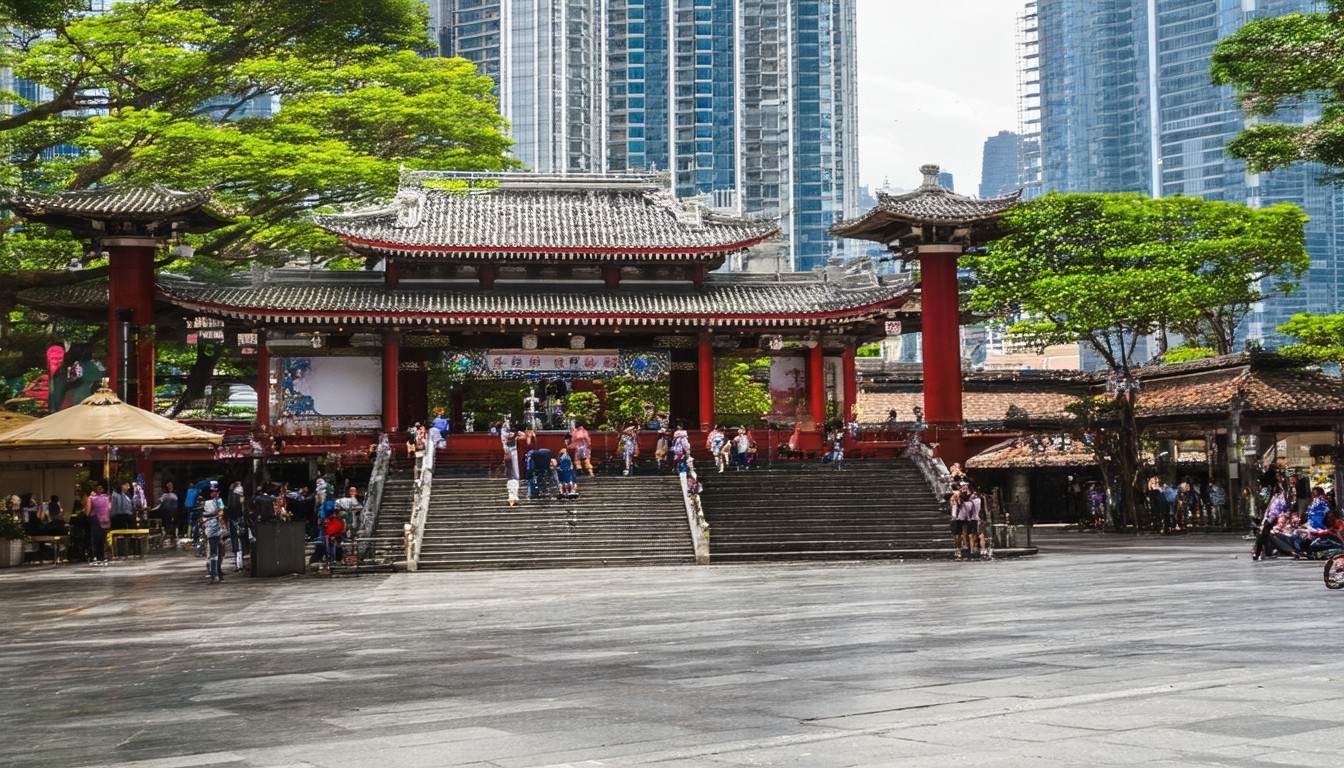
Tucked among gleaming glass towers, the Man Mo Temple honors the gods of literature and war, its smoky incense coils and intricate carvings evoking centuries of worship. Surrounding streets in Sheung Wan and Central feature colonial buildings, indie galleries, and antiques shops—testament to the area’s evolution from a trading post to one of the world’s premier business districts.
Traditional Festivals and Living Heritage
Beyond their physical spaces, Hong Kong’s cultural roots shine through festivals such as the Mid-Autumn Festival, Dragon Boat Festival, and Chinese New Year. These events animate neighborhoods citywide, drawing locals and visitors alike to lantern-lit parks, lion dances, and dragon boat races.
Natural Wonders on Hong Kong’s Doorstep
Hiking Trails: The Dragon’s Back and Beyond
Though famed for its skyline, Hong Kong is equally renowned for natural escapes. The Dragon’s Back trail, ranked among Asia’s best urban hikes, winds over lush ridges with sweeping views of beaches and the South China Sea. Other routes—like the MacLehose and Lantau trails—venture deeper into forested hills, hidden waterfalls, and even the city’s tallest peak, Tai Mo Shan.
Beach Retreats and Outlying Islands
A short ferry hop transports adventurers from urban bustle to the sandy shores of Lamma, Cheung Chau, or the idyllic Clearwater Bay. These islands offer cycling, seafood feasts, and a slower pace. For marine enthusiasts, Sai Kung’s coral-rich waters are popular for kayaking and snorkeling, while the UNESCO-listed Geopark reveals prehistoric rock formations.
Shopping and Culinary Adventures
From Mong Kok’s Markets to Luxury Malls
Hong Kong’s reputation as a shopping paradise spans budgets and tastes. Mong Kok’s Ladies’ Market, Sneakers Street, and Goldfish Market brim with local color, pop-culture finds, and curios. Contrast this with the international luxury boutiques of IFC Mall or Pacific Place, highlighting the city’s economic and aesthetic range.
Culinary Scene: Dim Sum and Global Flavors
Food forms the city’s social backbone. Classic Cantonese dim sum, best enjoyed in bustling teahouses, remains a must-try—while neighborhoods like Sham Shui Po are celebrated for dai pai dong (open-air food stalls) and wallet-friendly noodles. Michelin-starred eateries, artisanal coffee shops, and experimental fusion kitchens reflect the global palate of Hong Kong’s residents and visitors.
Family-Friendly and Whimsical Attractions
Hong Kong Disneyland and Ocean Park
For families, Hong Kong Disneyland provides a world-class experience with a distinctly Asian touch, from the Mystic Manor ride to themed seasonal celebrations. Ocean Park blends marine life exhibits, thrill rides, and conservation programs, positioned dramatically between mountains and sea.
Kowloon Walled City Park: History Reimagined
On a quieter note, Kowloon Walled City Park preserves the memory of one of the world’s most notorious enclaves. Once a lawless, densely packed settlement, it’s now a landscaped urban oasis, featuring restored Qing-era buildings, classical gardens, and interpretive displays.
Hong Kong’s Dynamic Neighborhoods
Central and Soho: Trendy Urban Core
The Central business district is adorned with Michelin-starred restaurants, boutique hotels, and buzzing nightlife in Lan Kwai Fong and Soho. The Mid-Levels Escalator—world’s longest outdoor covered escalator—connects these attractions, winding through leafy lanes dotted with street art, hip cafes, and lively bars.
Sham Shui Po: Innovation and Tradition
Considered a microcosm of Hong Kong’s entrepreneurial energy, Sham Shui Po teems with electronics bazaars, textile markets, and boundary-pushing design studios. Local social enterprises and craft coffee houses are revitalizing this historically working-class district, bringing old and new into creative conversation.
Concluding Summary
Hong Kong’s enduring appeal lies in its contrasts: heritage temples near futuristic towers, forested trails within minutes of neon-lit streets, and centuries-old customs thriving alongside next-gen startups. As international travel rebounds, the city’s layered experiences ensure every visitor can craft a unique journey—whether seeking natural beauty, cultural depth, retail therapy, or culinary adventure. For those ready to rediscover or explore for the first time, Hong Kong awaits with new surprises in every season.
FAQs
What is the best time of year to visit Hong Kong?
The most comfortable periods are autumn (October to December) and spring (March to May), when temperatures are mild, skies are clear, and festivals enliven the city.
Are there beaches and nature escapes in Hong Kong?
Yes, the territory offers numerous accessible beaches, hiking trails, and island getaways just a ferry ride from downtown.
Is Hong Kong suitable for family travel?
Absolutely. Attractions like Hong Kong Disneyland, Ocean Park, and interactive museums provide plenty of options for kids and adults alike.
What local foods should travelers try?
Don’t miss dim sum, roast goose, egg tarts, and street snacks like curry fishballs. Many neighborhoods feature unique specialties and food stalls.
How can visitors best experience local culture?
Mix visits to temples, markets, and heritage sites with attending traditional festivals for a genuine feel of the city’s diverse spirit.
Is English widely spoken in Hong Kong?
English is an official language, and most signs, transportation, and attractions accommodate English speakers, making navigation easy for international travelers.